
When starting or expanding your gardening adventure, whether for veggies, flowers, or both, you may have come across soil blockers and had no idea what they were, why they’re needed, or whether you need them, too. Why can’t you use good, old-fashioned seed trays that are readily available?
I’m here to try to answer those questions for you and hopefully clear up what soil blockers are, whether you need them in your situation, and maybe just for certain things.
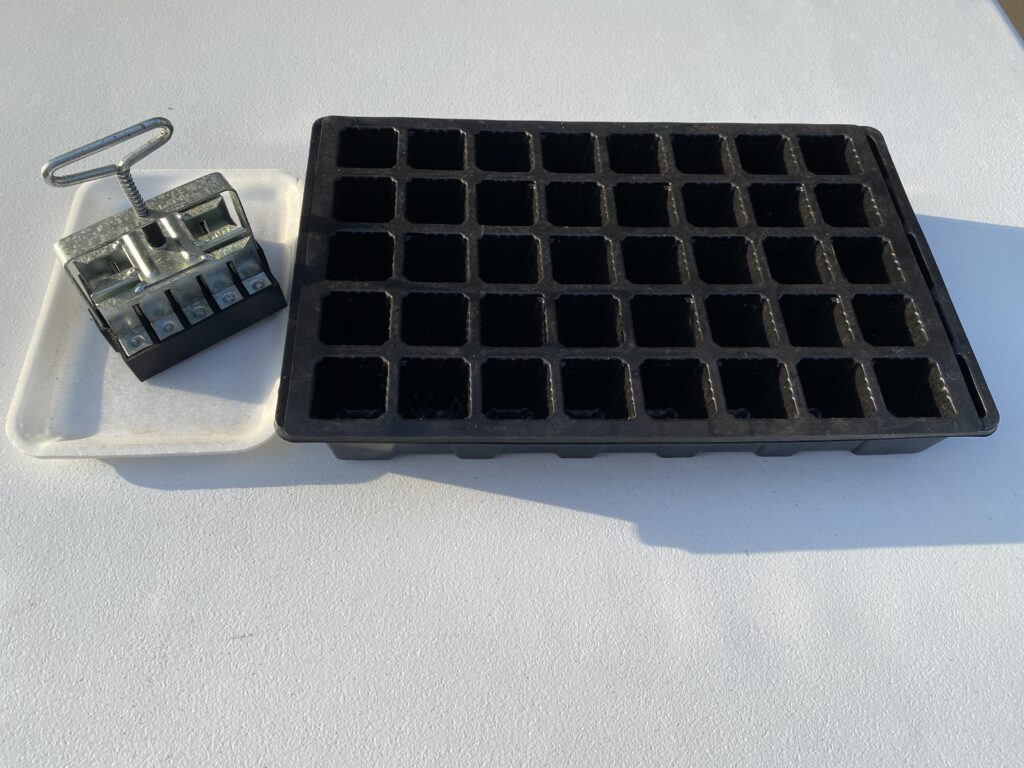
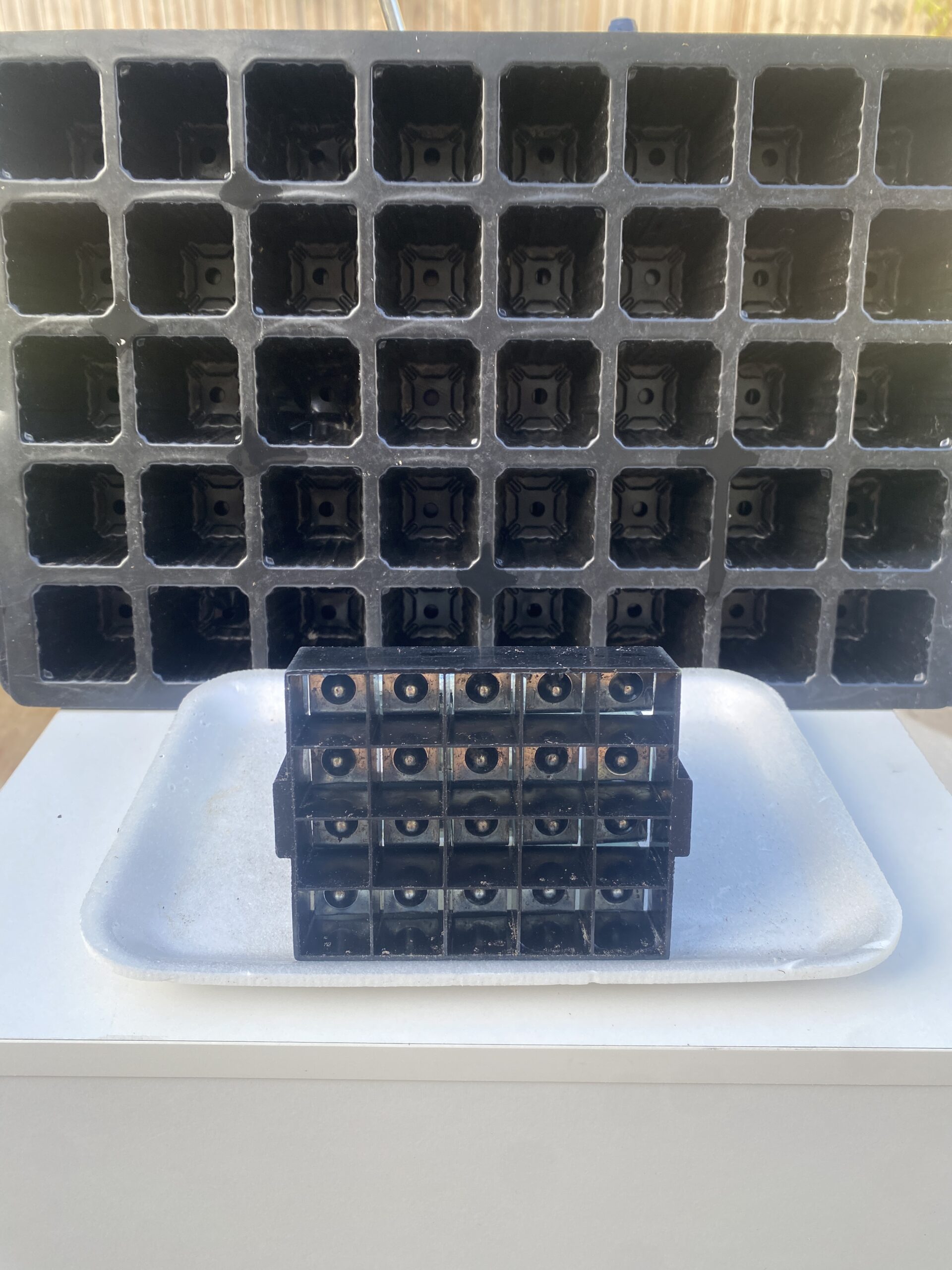
What is Soil Blocking & is it right for you?
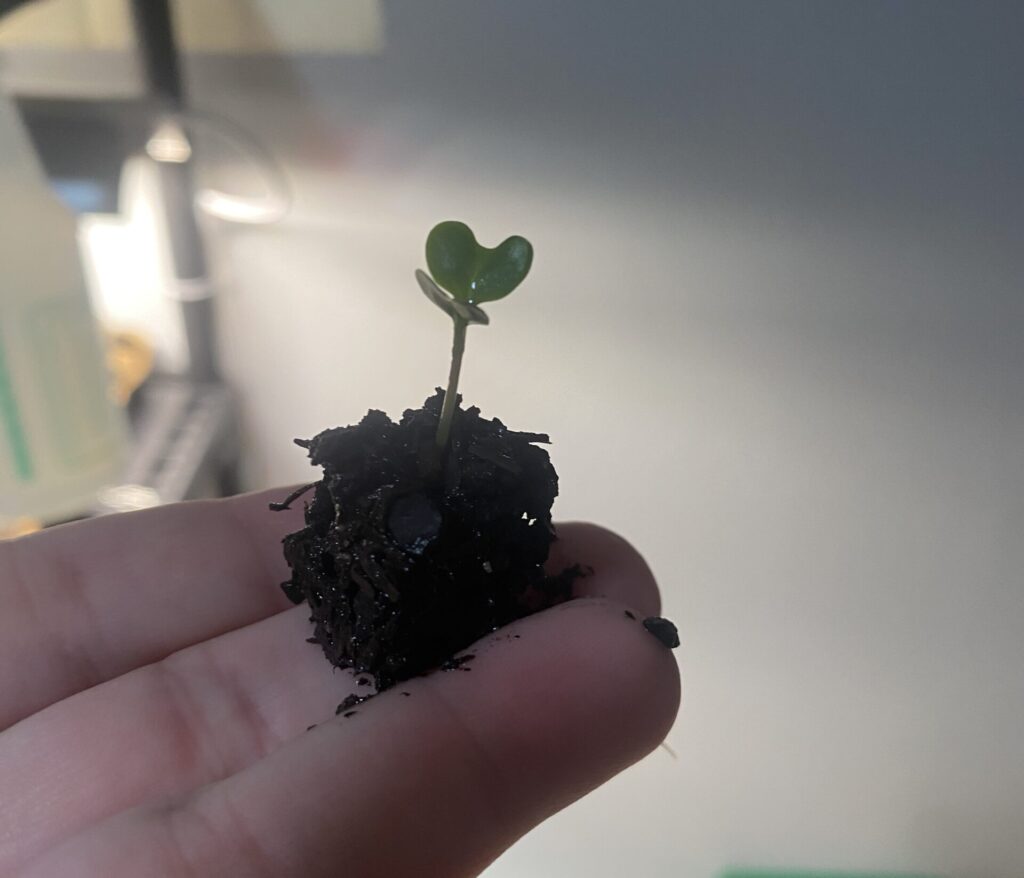
Soil blockers come in multiple sizes, though you can usually use the smaller one. Any bigger and I go to trays. You pack in your soil mix, push from the blocker using the top handle, and you get these tiny little blocks. Since they are so small, they take up little to no space. Once formed, you sit and plant 1-2 seeds per block. You can fill a segment with a single plant or mix and match. I often separate the little blocks and plant what I need of each annual.
You do have to put them onto a tray or pan. I use small foam plates that can be placed on heating mats if you’re starting things super early in the season, or just as a space-saver. It can be easily placed under grow lights or even on a well-lit windowsill. One small foam pad can hold at least 36 blocks. That’s 36 seeds started in less than a square foot!! If you’re working in a confined space, that is likely your entire grow season put together in a small area to sprout. This gives you time to prepare beds, rows, containers, or whatever else you plan to grow in.
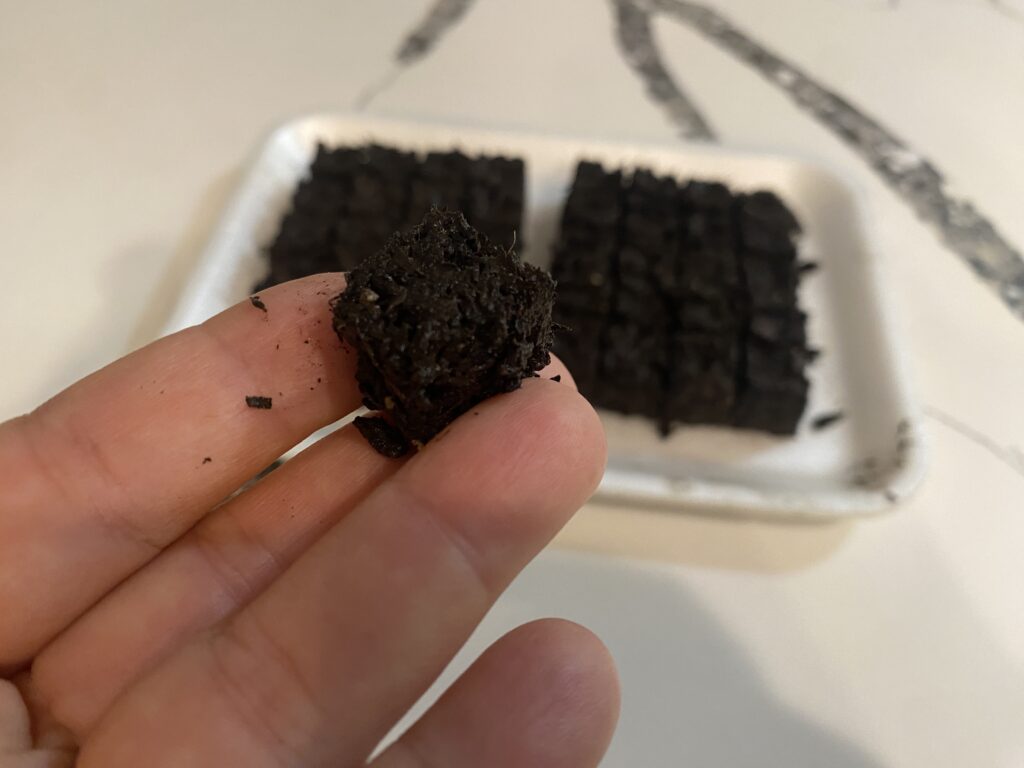
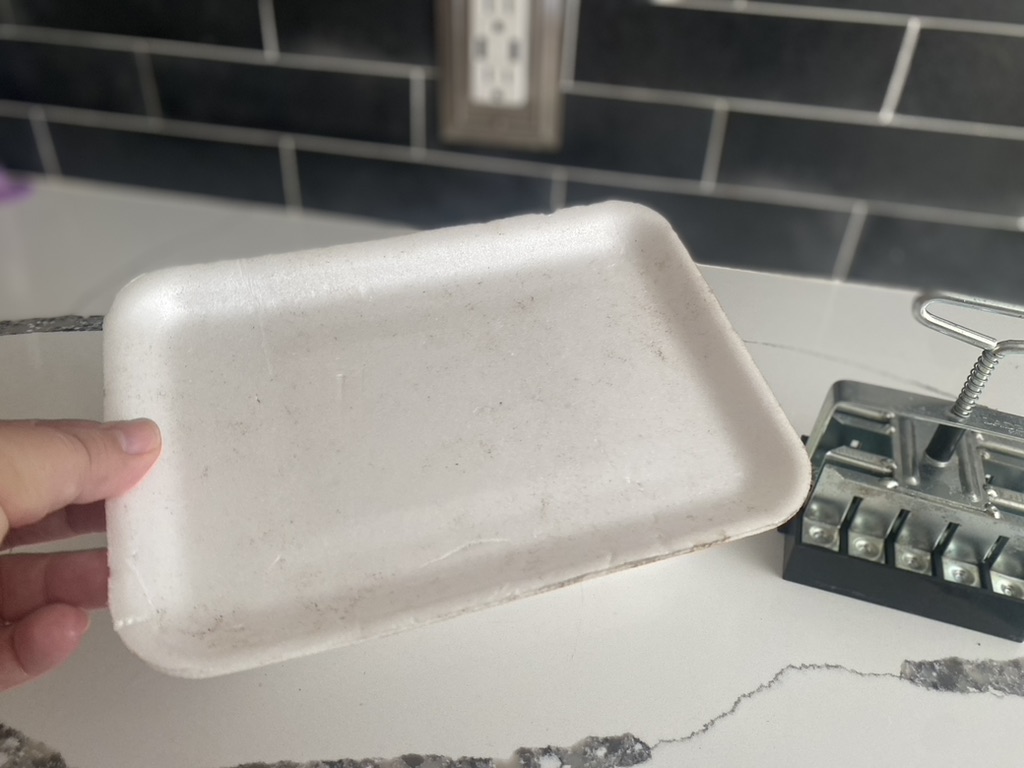
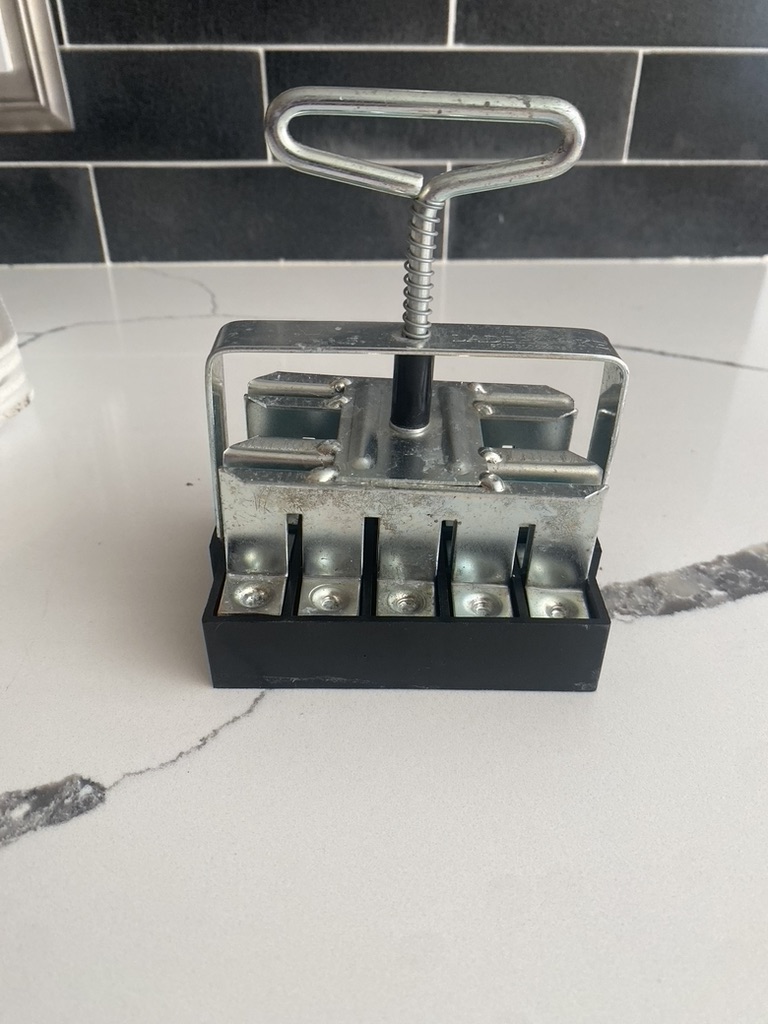
These are best kept inside because of their small size. If rain were to get to them, it could destroy the little guys! Even a good gust of wind can blow them off whatever surface you are keeping them on. However, if you’re in an apartment or other place with limited outdoor space, or if you’re planting super early to extend your season, you are likely keeping them indoors anyway, so this is a perfect system! It could be worth investing in 2-3 block sizes and starting them this way every year, or multiple times per year, for crops like lettuce and spinach that need to be succession-planted throughout the year or season.
One of the really cool things about soil blocks is that the seedlings will not get root-bound. Since there is no container edge for the root to hit and circle, it simply sees the end of the soil and stops. Plants are super cool! However, this means they must be planted or put in larger blocks or into trays promptly, or you can start losing your babies.
One downside is that, since they are self-contained little blocks, you have to use a more specific soil and/or compost mix so they can hold their form, wet or dry, without simply falling apart.
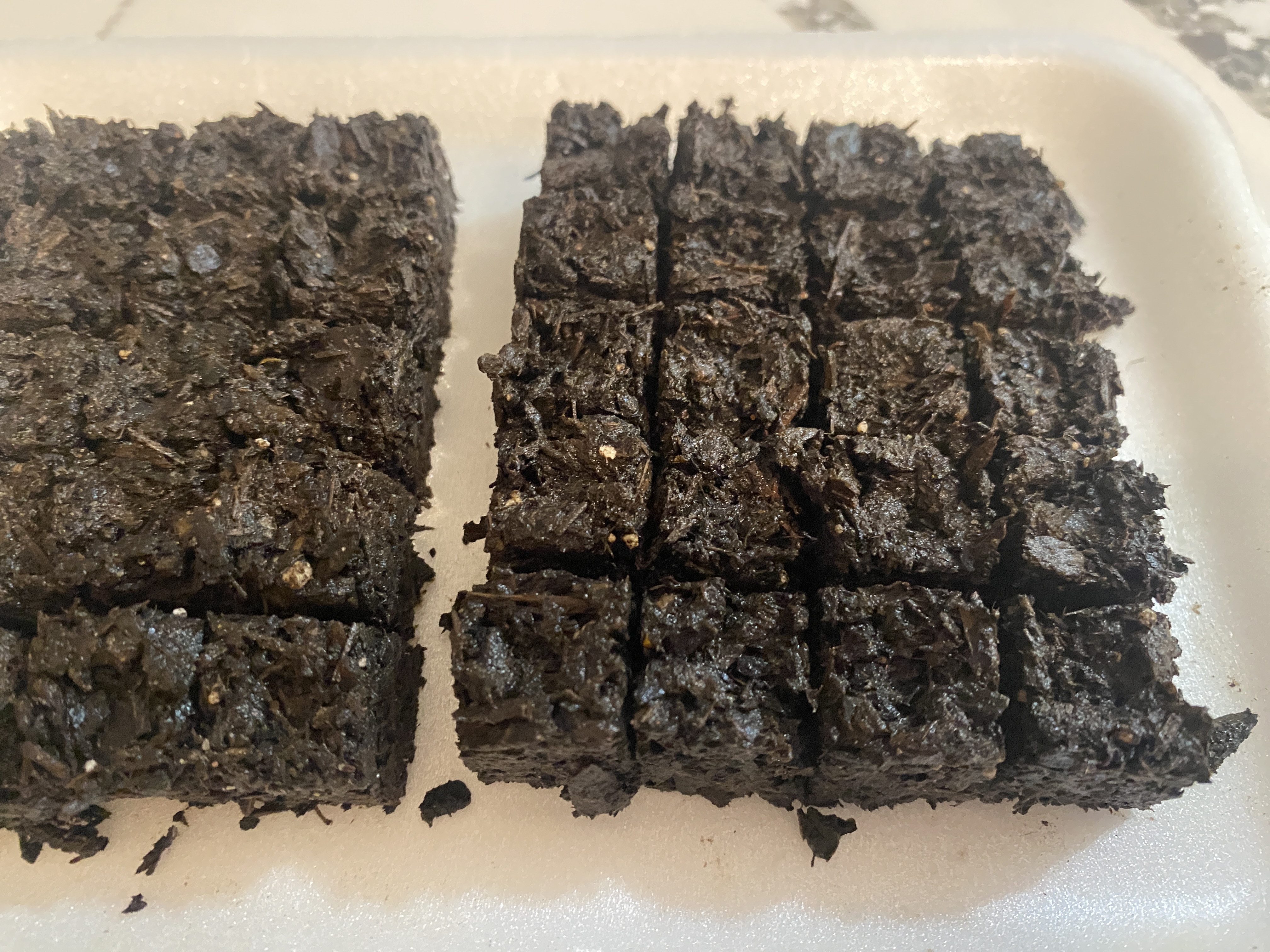
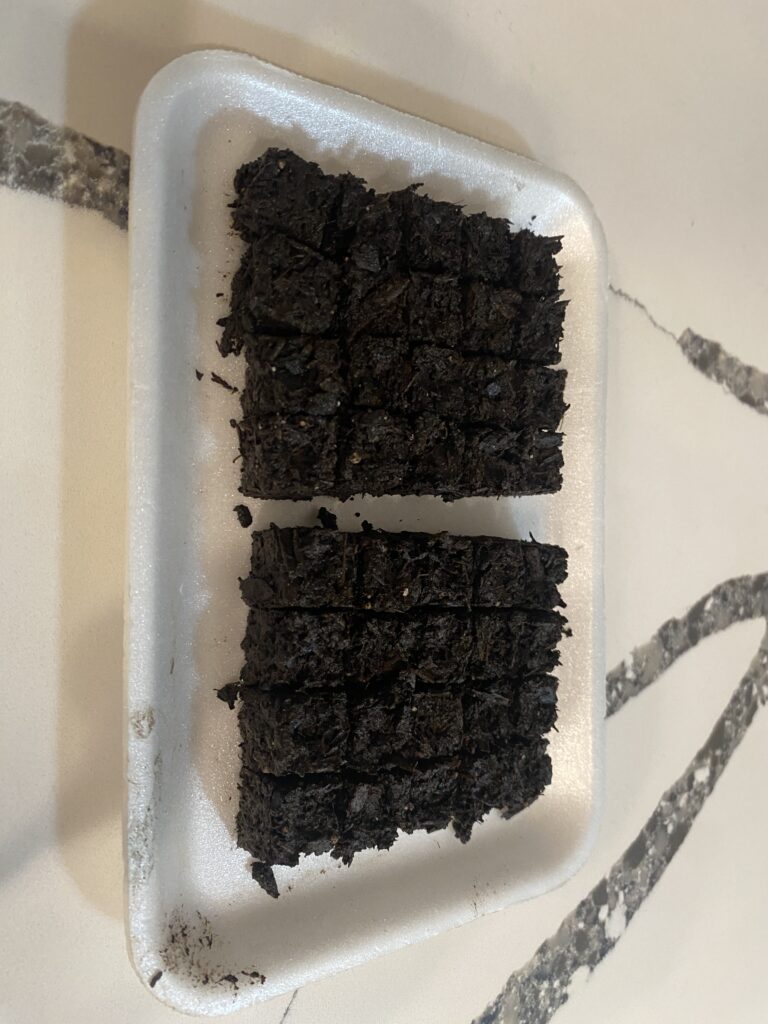
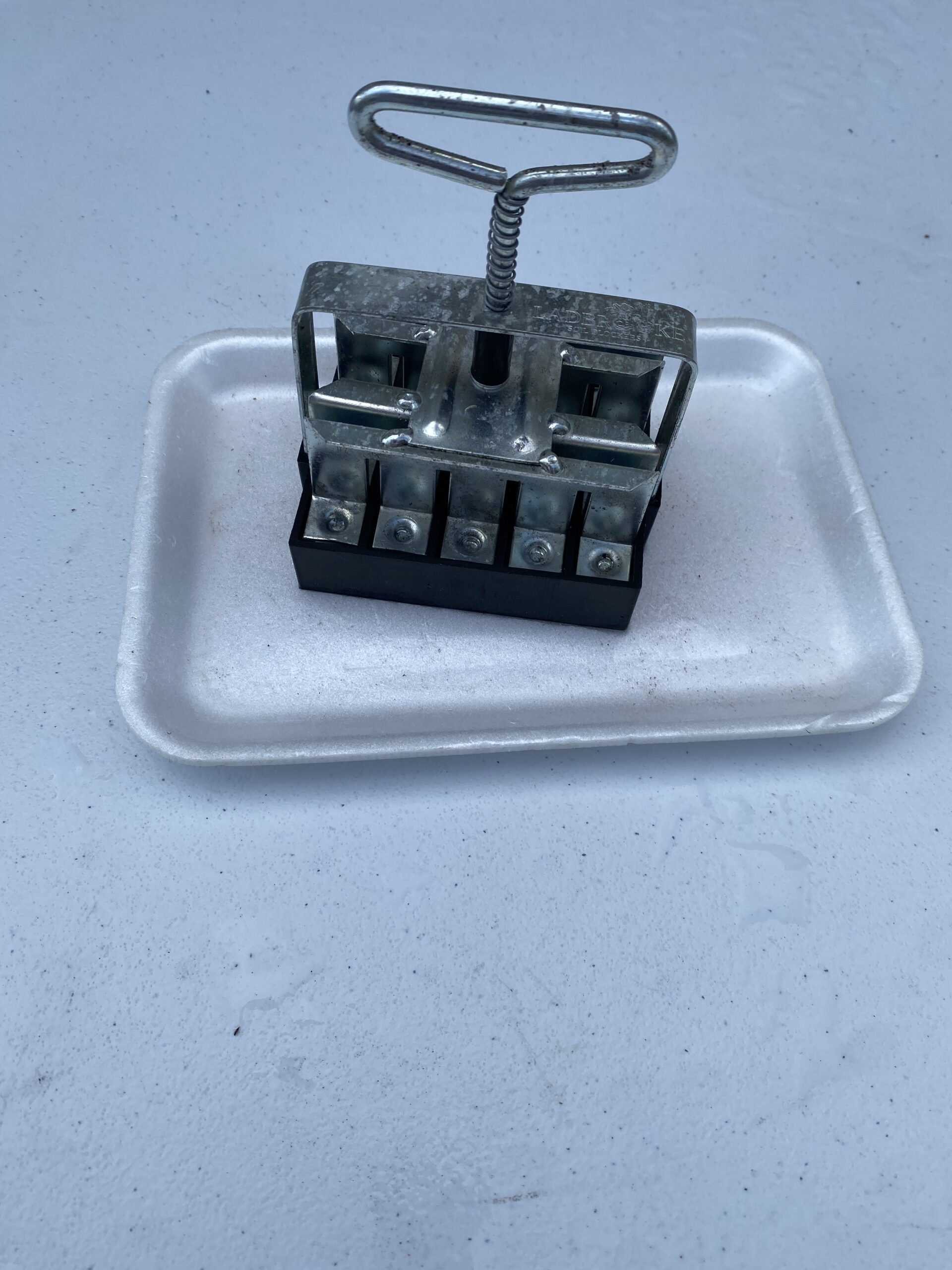
So, should you use soil blocking?
| Positives | Negatives |
| Great for small seeds like tomatoes & zinnias | Will not get root-bound |
| Many use heat trays and/or grow lights, meaning more products to buy | Many have to be transplanted into larger blocks or trays |
| Allows more seeds to be planted in a much smaller amount of space | Exposure to the elements can damage the blocks due to wind and rain. |
| Using the outside can cause damage to the blocks due to wind and rain. | Allows use on heat mats when placed onto foam trays for earlier planting! |
Seed trays, aka Plug trays
These guys are tried and true. You’ll find them at most garden stores in the spring, making them easy to access. They will fit any size seeds, including multiple smaller seeds. Seeds like green beans, which are not only large but also prefer to be planted with a grow buddy, will always do well in a seed tray.
Because they are not self-contained, unlike the soil blocks, you can place whatever soil mix you prefer, and the individual sections will do their thing. Another advantage of the tray and its form is that it is excellent for indoor or outdoor use! It’s easy to move around if the outside gets a bit chilly early in the season, and it can handle a bit of rain as long as the seeds are deep or the seedlings have sprouted.
The downside is that they tend to be made of plastic, which will break down over time. You will need to replace them every 2 or 4 seasons, depending on how much use and sun they receive during your growing season. They also take up more space. Each section is much larger than a soil block, and each tray has at least 30 sections.
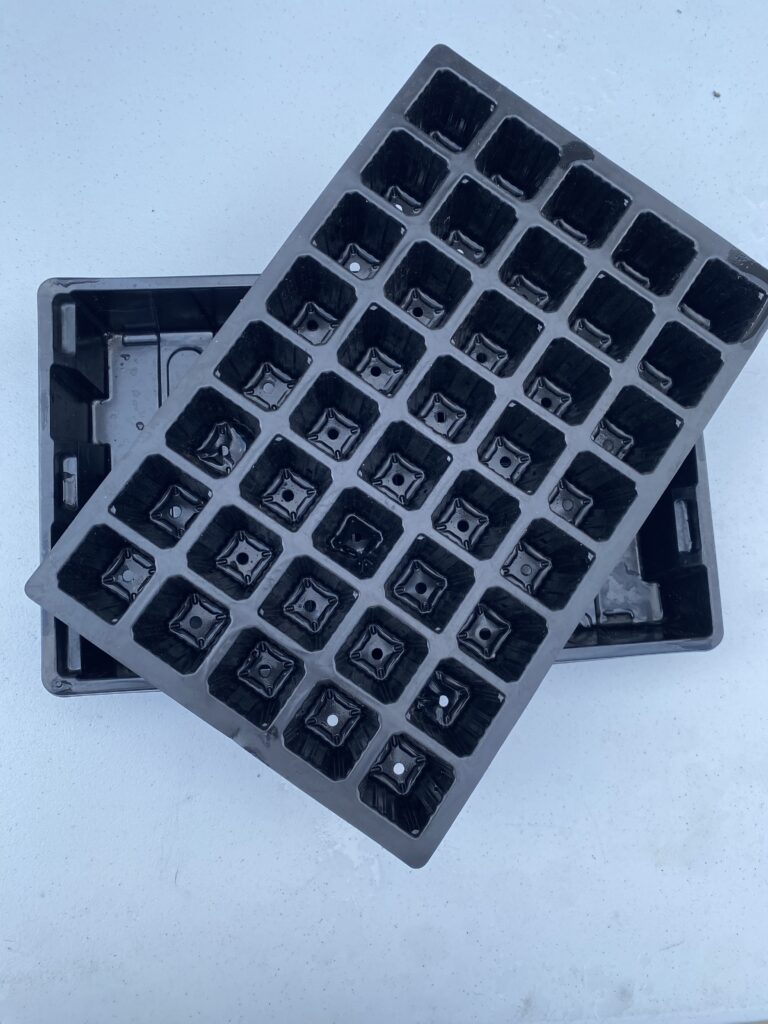
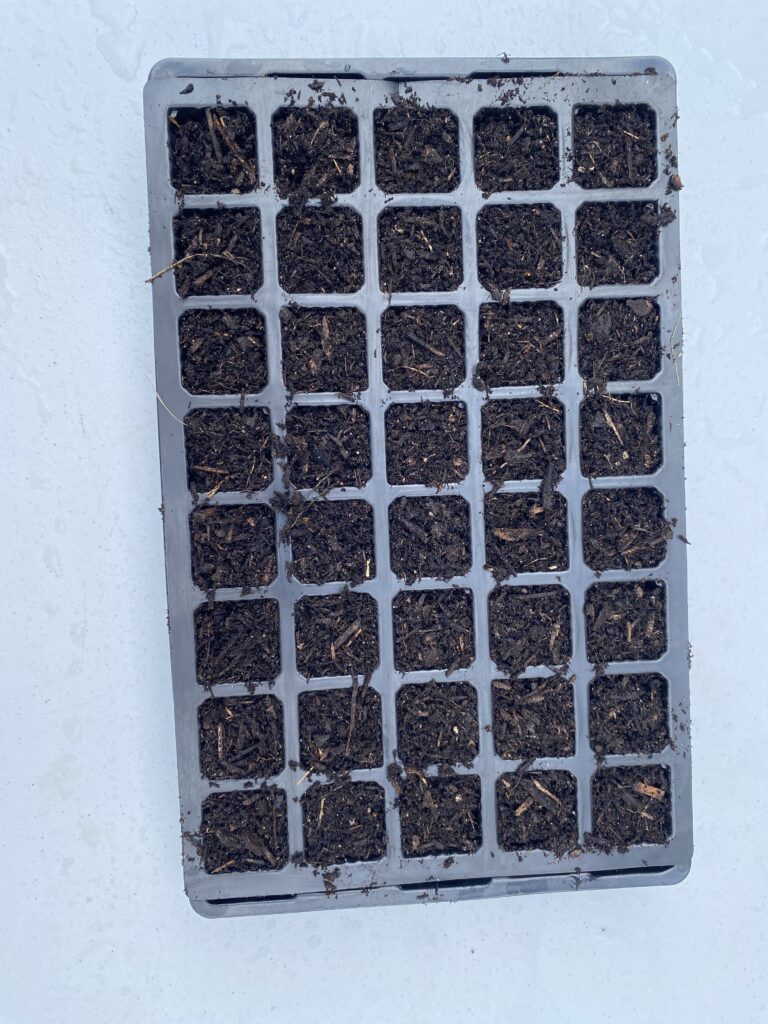
Because each section has walls, the seedlings can become root-bound much more easily. This will happen quickly if outdoors in warmer weather, where the babies can grow at their own will. Root-bound seedlings will have a difficult time reviving after transplanting and may become sick.
One last tidbit: Many trays come with a large self-watering tray beneath. These are an excellent resource for a busy or part-time gardener, as they will need less of your attention. Plus, these bottom trays can double as micro trays, saving you from having to purchase yet another supply for the year!
Overall, seed trays are a great resource that most of us will have easy access to.
Are seed trays the better solution?
| Positives | Negatives |
| Great for larger seeds such as green beans | Will need to replace more often as plastic gets brittle and starts cracking after a couple of seasons |
| Widely available in most garden stores | Takes up more space cause of the base and divided sections |
| Soil mix doesn’t need to pack well or hold its form. | Soil mix doesn’t need to pack well or hold its form. |
| Bottom section can double as micro trays when not in use | |
| Great for indoor and outdoor use |
Which is better for you?
The truth is that it’s really situational. I prefer to use a combination of both soil blocks and seed trays, depending on the time of year and seed size. It also depends on my work schedule and other tasks. If I cannot guarantee getting to them to plant promptly, seed trays are the way to go, as they are more forgiving if a few days pass after the original planned plant date.
Once the season is in full swing and the weather is warmer, it’s really seed trays all the way in my garden as I’m almost 100% outdoors at this point.
It really seems to be a personal preference for what people like and/or the type of plants and space they are working with. Here is some basic information to help you decide if soil blocks and plug trays should be a part of your regular planting routine.
*Tips and tricks
- Use a dampened toothpick to gently grasp super small seeds and push them into your soil. Especially important in blocks that will break up if you try to use your finger.
- Use the bottom section of the seed tray for grow trays for things like microgreens
Small Steps. Meaningful Rewards.
📤 Share the Knowledge
Know someone who could benefit from this article? Share it and help another gardener grow with confidence.
Gardening is better together. Join our free Facebook community to ask questions, share your progress, and learn alongside other gardeners.
Soil Mix recipe for blocking!
This will hold together nicely & you can still spray with supplements if you wish. This is from Lisa Mason Ziegler of Gardener’s Workshop. Her information is aimed at flower farming, but there is quite a bit of crossover, as they also farm organically. I love her and her approach.
📚 Related Resources
Garden Success Planner
Learn how to plan your garden with this beginner-friendly garden planning article and printable.
Gardening Budget Worksheet
Use this checklist to keep track of what you already have, what you still need, and what you can skip for now.
Shopping & Organizing Checklist
Use this checklist to keep track of what you already have, what you still need, and what you can skip for now.
🛠️ Product Links
This page contains affiliate links. If you purchase through one of these links, we may earn a small commission at no extra cost to you.
Thank you for helping support Small Scale Homestead!
Small Soil Blocker
A simple, space-saving option for starting smaller seeds like tomatoes, peppers, herbs, and flowers without traditional plug trays. Perfect for amll seeds like peppers & tomatoes.
Soil Blocker Kit
Want the full soil-blocking setup? This set includes both small and larger blockers, so seedlings can be started small and then moved directly into larger blocks as they grow.
Seed Trays
Prefer traditional seed starting? Plug trays make it easy to start plenty of seedlings at once and are a great choice if you aren’t ready to make the jump to soil blocking.
Leave a Reply