
What is a tincture?
A tincture is one of the most common forms of herbal medicine. It is a concentrated herbal extract that is most commonly made in alcohol but can also be made in vinegar or vegetable glycerine. It is easy to make and easier to take.
An alcohol based tincture is preferred by many herbalists due to being almost foolproof to make and having an incredible shelf life. They say that an alcohol based tincture can last for 2-4 years, though many home-based herbalists will tell you that a well-strained and sealed mixture can last forever.
When using it as a medicine, you can simply take 1-2 teaspoons or add it to tea, coffee, and juices.
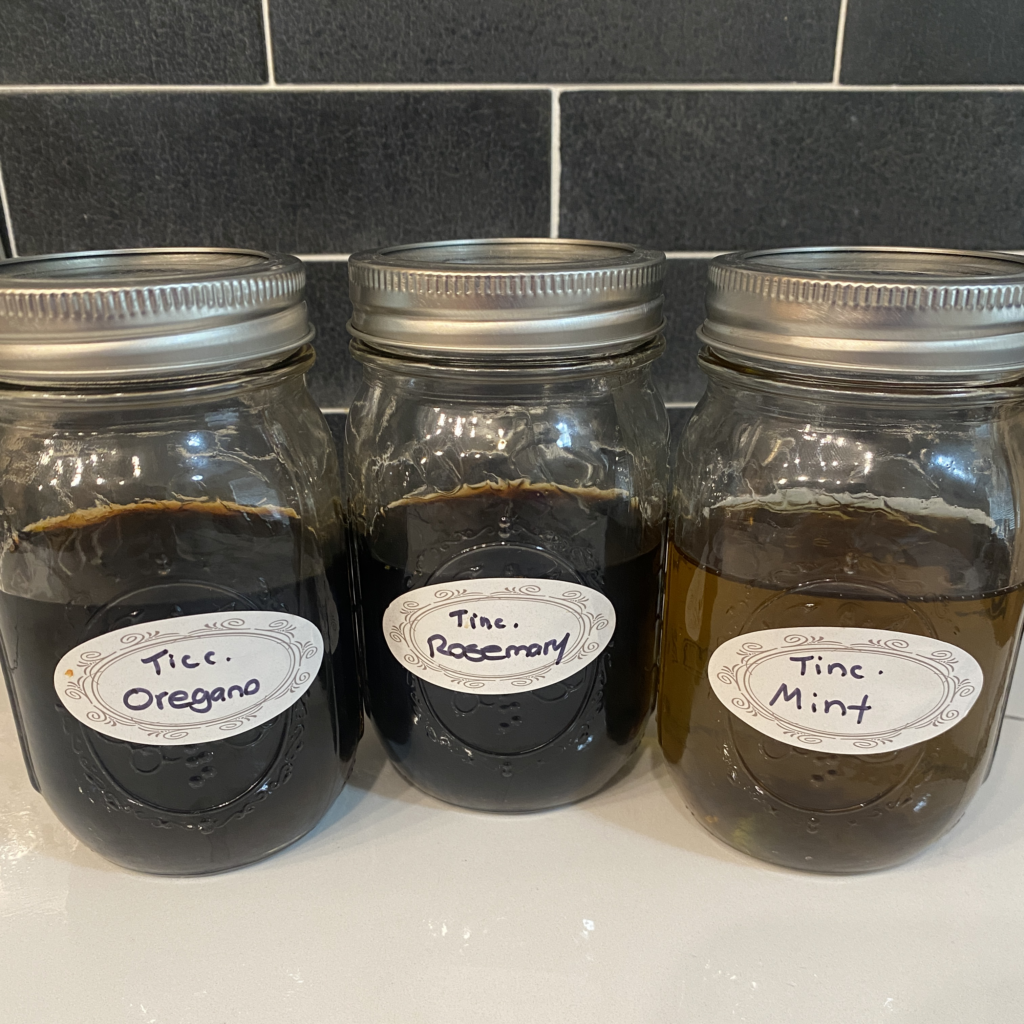
Choosing a solution
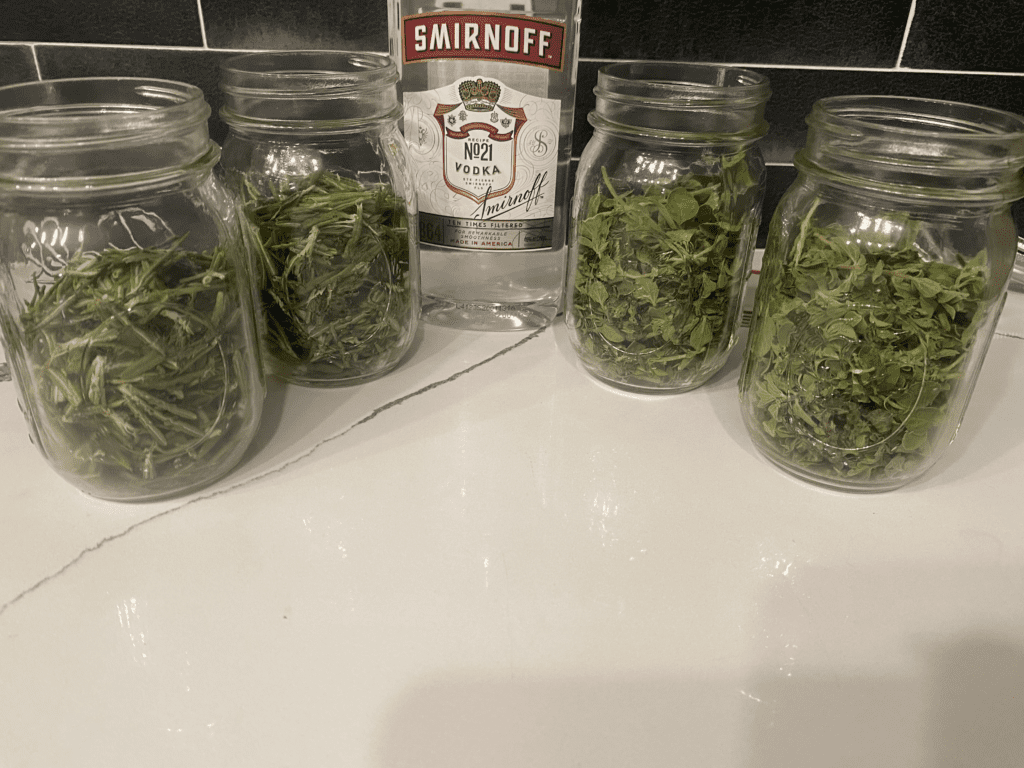
The process itself is the same regardless of your choice of solution. However, if you plan to use alcohol, make sure to go with a high-quality 80- to 100-proof one. This will be at least 40% alcohol, and the rest of the bottle is water.
Alcohol is preferred because it is ideal for extracting the most from herbs and can be used with any plant or herb you would like. Alcohol has been used for tinctures for as long as it’s been around. That’s a long time! Most vodkas, gins, rums, and brandies are 80-100 proof, making them the easiest choice.
The amount of alcohol per dose is quite small. However, if making them for children or someone who can’t or shouldn’t consume alcohol, apple cider vinegar and vegetable glycerine are other options. I would recommend vinegar, since you likely have it at home in one form or another.
A vinegar or glycerin tincture will only last for about a year before you need to discard it. Also, do quite an internet search to be sure that the herb(s) you are using will work with these solutions. Here are some of the common ones that can be used:
| Rosemary | Oregano | Calendula |
| Chamomile | Peppermint | Elder berries/flowers |
| Ginger root | Echinacea | Dandelion leaves/roots |
| Valerian root | Fennel seeds | Mullein |
There are definitely more, these are just the ones you are likely to have heard of. I’ve never actually worked with most of the items I found on the list.
I have always personally used alcohol due to its being more versatile and having a shelf life. However, I make certain ones in vegetable glycerine because they taste better in teas.
Making a tincture at home
- Step 1
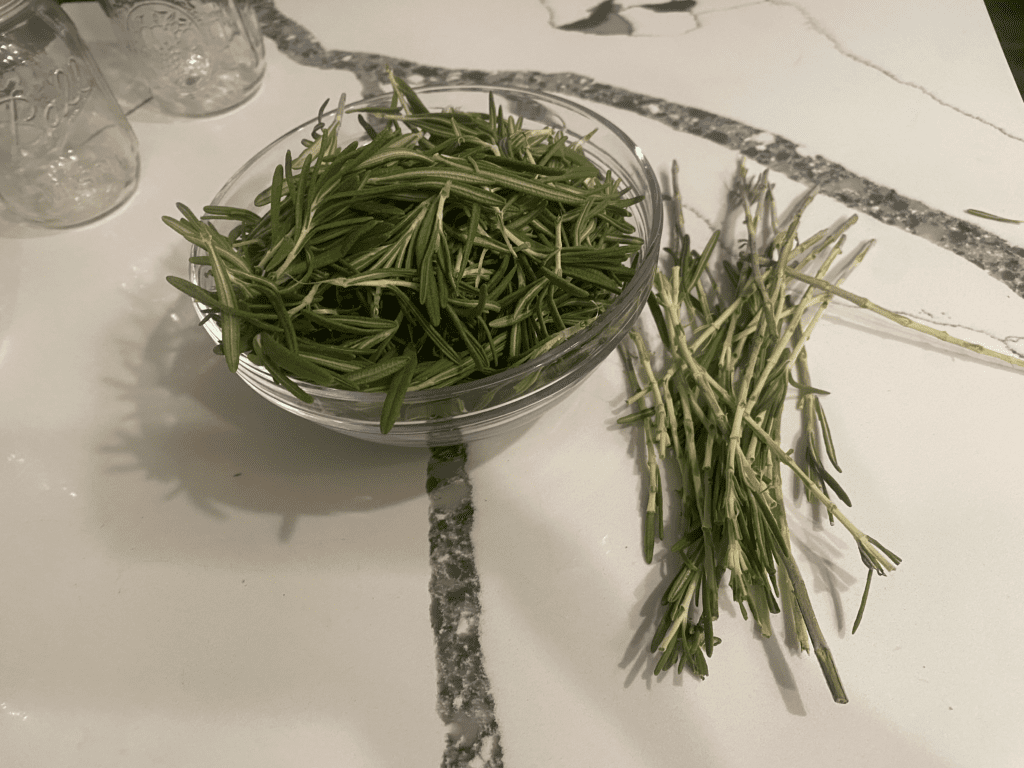
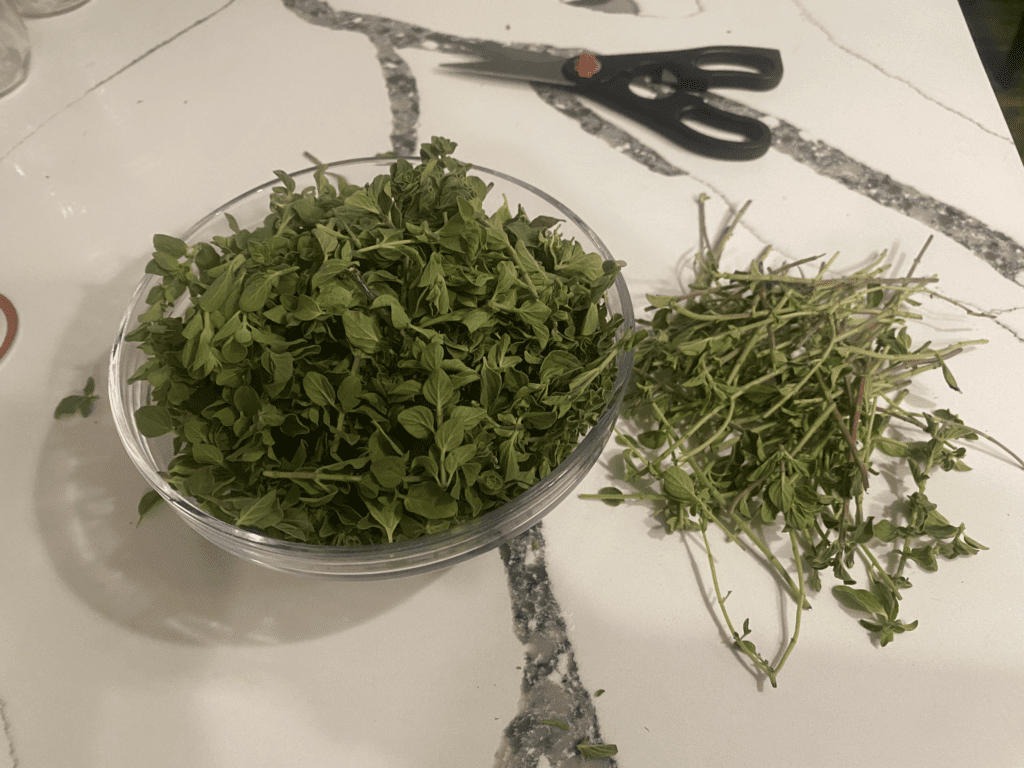
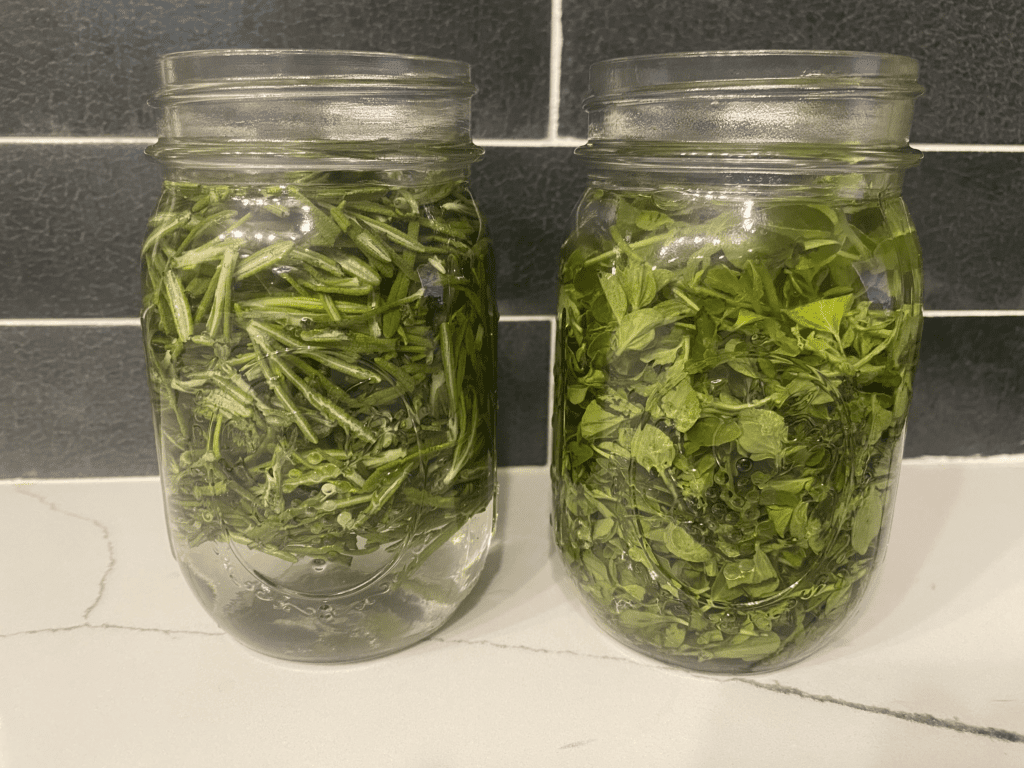
Choose your herb and finely chop it. You can use dried or fresh herbs. I don’t recommend using a blender or food processor simply because the tiny pieces will be more difficult to strain at the end. Place the herb in a glass jar with a lid. You should label the jar with either the date you are starting or the 4-week mark in the future.
- Step 2
Pour enough solution over the herbs to cover them by 1-3 inches. If using dried herbs, leave an extra 1/2 – 1 inch, since they will swell. If using small jars, simply fill them about halfway. Seal the jar tightly. It’s ok if herbs are floating. If that happened, just give them an extra day to settle.
You can mark the outside of the jar with a black marker before adding the solution to be a bit more precise with the levels.
- Step 3
Place your jar somewhere warm and sunny but not too hot. I just set mine on my kitchen table or bar. Ket them hanging out and soaking, shaking daily to prevent too much settling at the bottom of the jar.
- Step 4
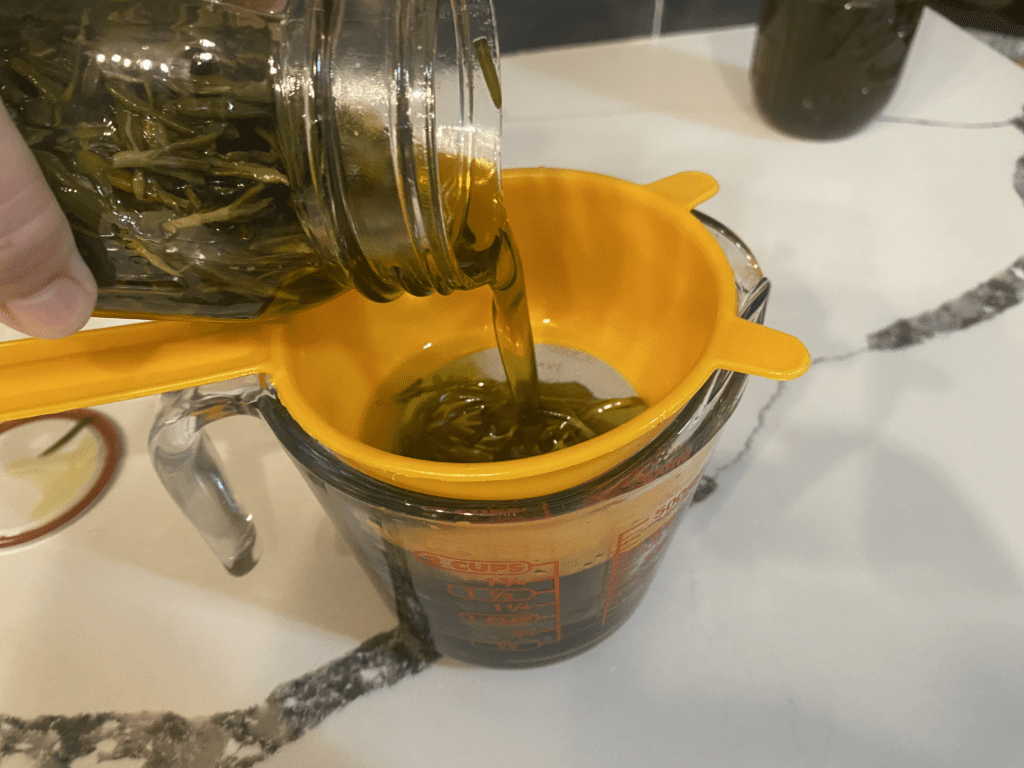
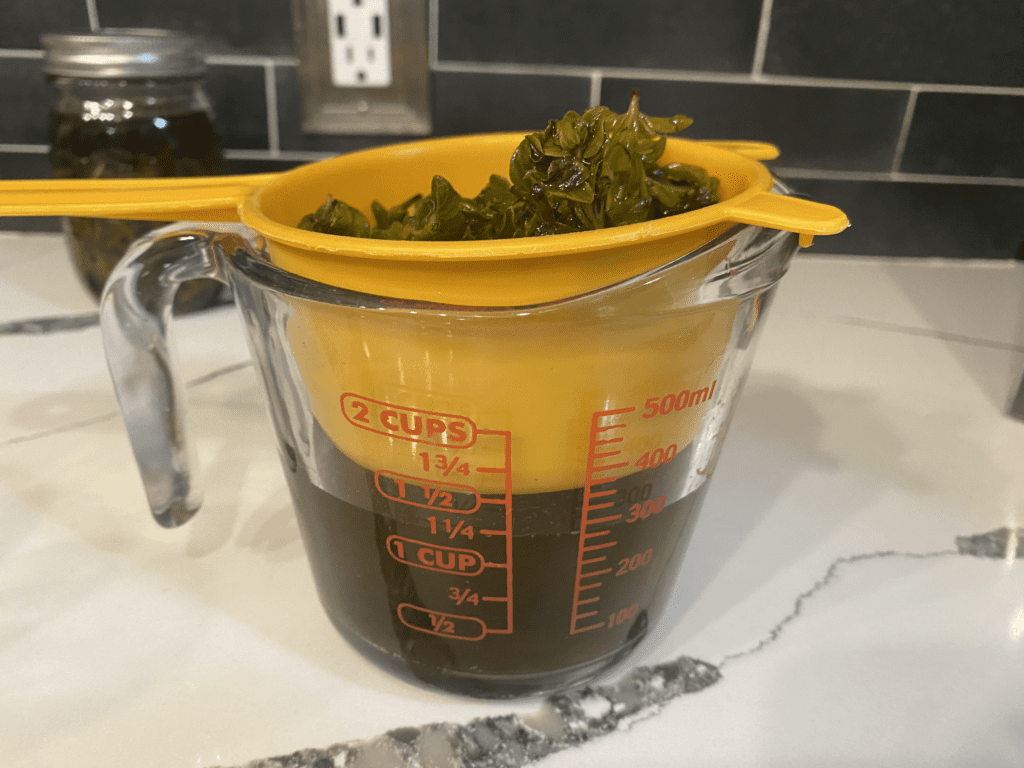
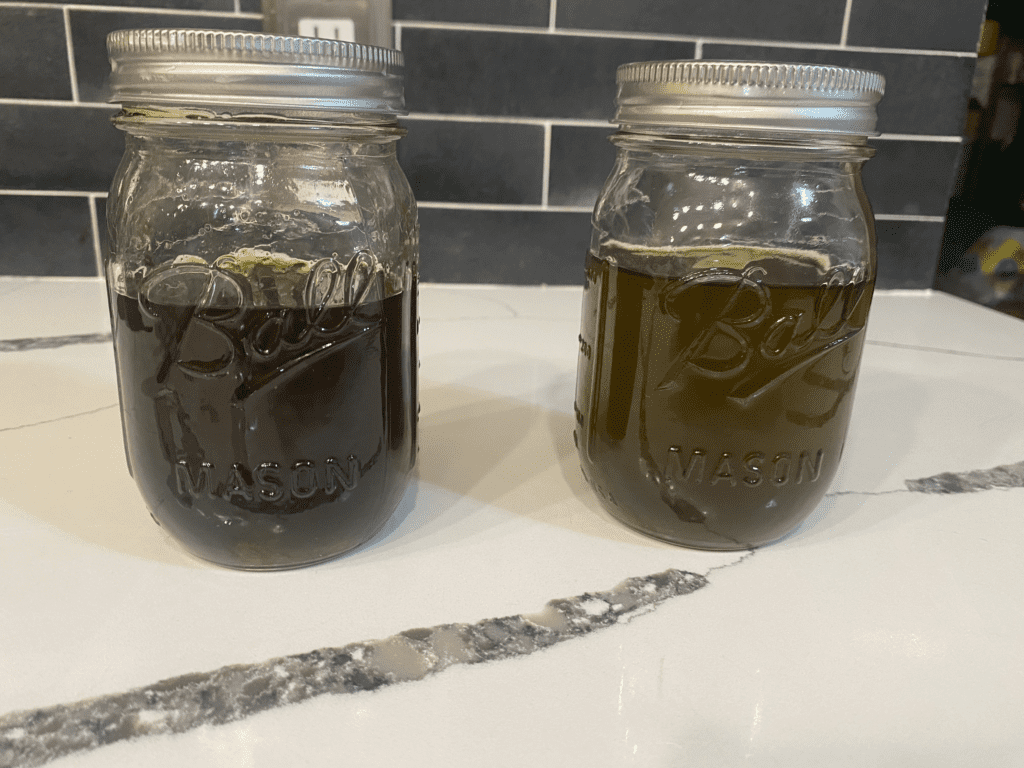
After 4 weeks, strain the mixture. This is where the larger pieces will make your life a bit easier. I tend to strain everything twice, just to be sure. Pour your picture into a new, clean jar and store it in a cool, dark place. Under your sink or in your pantry is perfect! The color will be completely different and will no longer smell like alcohol.
Conclusion and Tips
If you are new to making and using your own herbal, natural medicines, I think tinctures are a great way to start. If they sit and steep too long? Cool. End up only using them sparingly? No worries! With years to use them up, you will be fine letting them sit around while you get into the routine of reaching for oils and tinctures instead of the ole handle pill bottles.
*Start small. Don’t go make a quart jar on your first go. That is more than most people will use in a lifetime…even if you give some away to friends. You can actually find 4 oz jars in stores and online. I think this is the perfect amount to start with!
*Although shaking daily isn’t technically necessary, I find it fun. It will also make you feel more part of the process since it will be more “hands-on.”
Small Steps. Meaningful Rewards.
📤 Share the Knowledge
Know someone who could benefit from this article? Share it and help another gardener grow with confidence.
Gardening is better together. Join our free Facebook community to ask questions, share your progress, and learn alongside other gardeners.
📖 Related Articles
There are many ways to put herbs to work around your home. Explore these related Home & Remedies articles to continue learning simple, practical herbal projects.
How to Make Infused Oils
Making herbal-infused oils is easier than you might think. Learn the simple steps to create your own homemade salves and natural remedies.
Infused Oils vs. Essential Oils
Confused about infused oils and essential oils? Learn the key differences, how they’re made, and when each is the better choice.
Homemade Salve in 4 Easy Steps
Making homemade salves is easier than you might think. Learn the simple steps to create your own herbal salves at home.
🛠️ Product Links
This page contains affiliate links. If you purchase through one of these links, we may earn a small commission at no extra cost to you.
Thank you for helping support Small Scale Homestead!
Jar Top Strainer
Mine are old as dirt and still getting the job done, but if your kitchen is missing a small strainer, here’s a newer (and much shinier!) option that works great for straining directly into jars.
16 oz. Jars / Pint
You can never have too many Mason jars! These versatile 16 oz. Ball jars are great for homemade tinctures, infused oils, dried herbs, and many other kitchen projects.
Amber Dropper Bottles
Perfect for storing finished tinctures in smaller, easy-to-use portions. The amber glass helps protect the contents from light, while the dropper makes dispensing simple and less messy.
Leave a Reply