
This page contains affiliate links. If you purchase through one of these links, we may earn a small commission at no extra cost to you. Thank you for helping support Small Scale Homestead!
Underrated Food Storage Tool
I love useful kitchen gadgets.
Not the gadgets that take up half a cabinet and perform one extremely specific task every three years. I mean the simple little tools that actually earn their space in my kitchen. One you use over and over and cry a bit when they finally die. Especially when that useful little guy is cheating, and brand doesn’t matter! They can typically be used on both common lid mouth sizes and include the necessary parts to customize them.
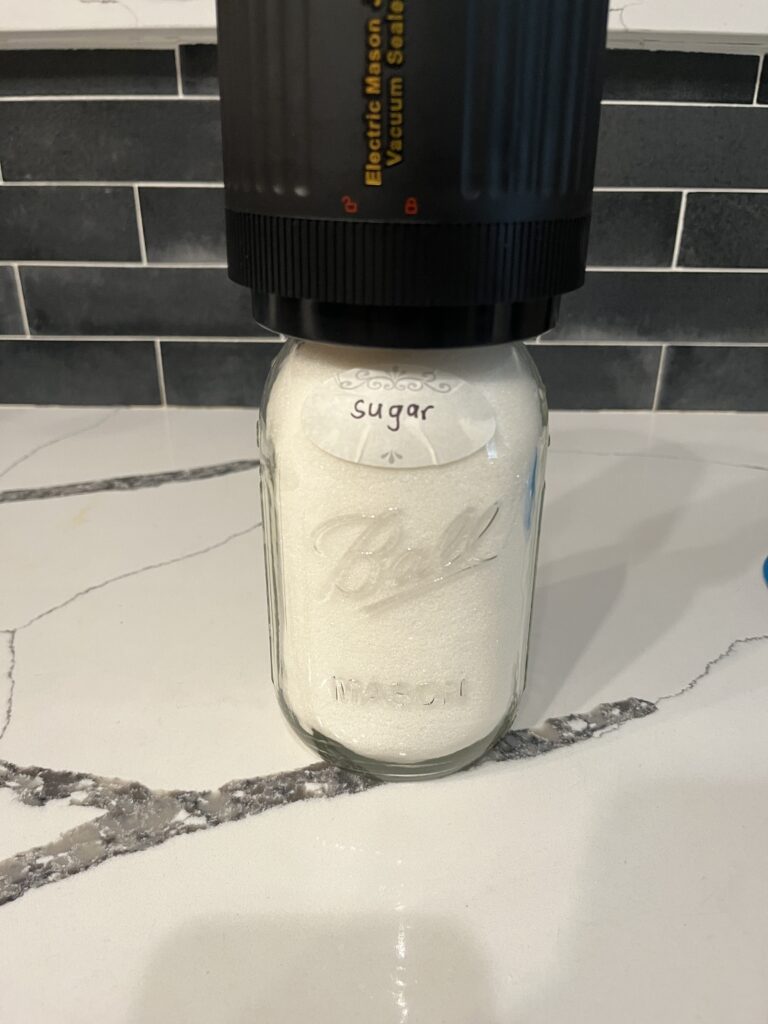
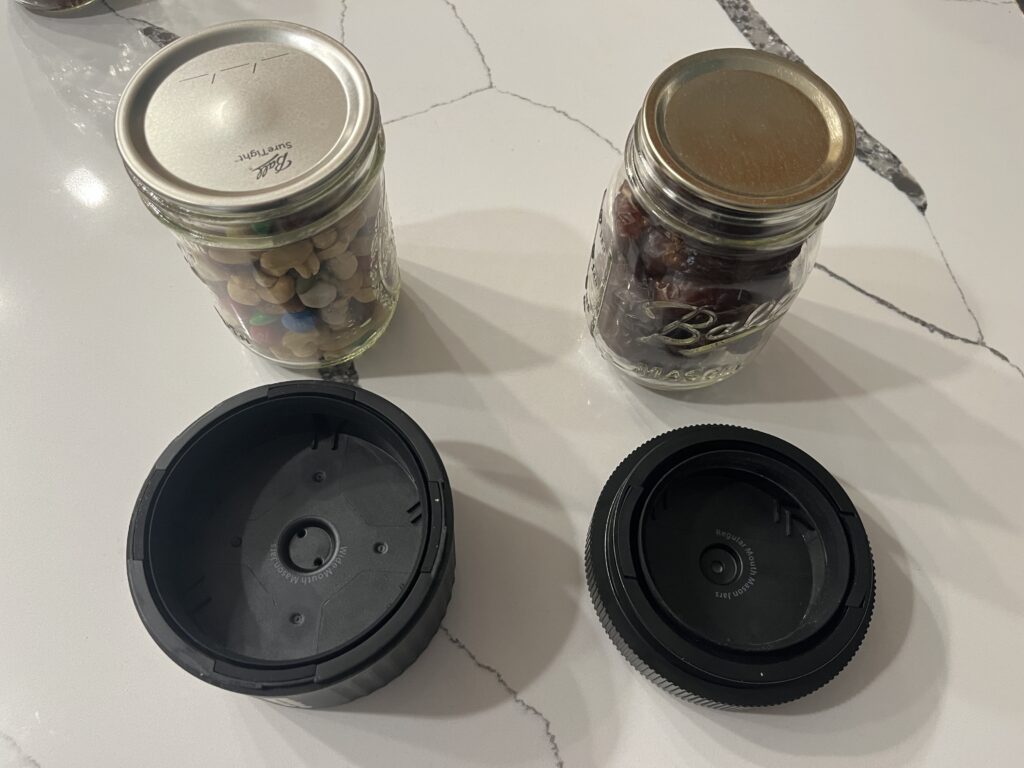
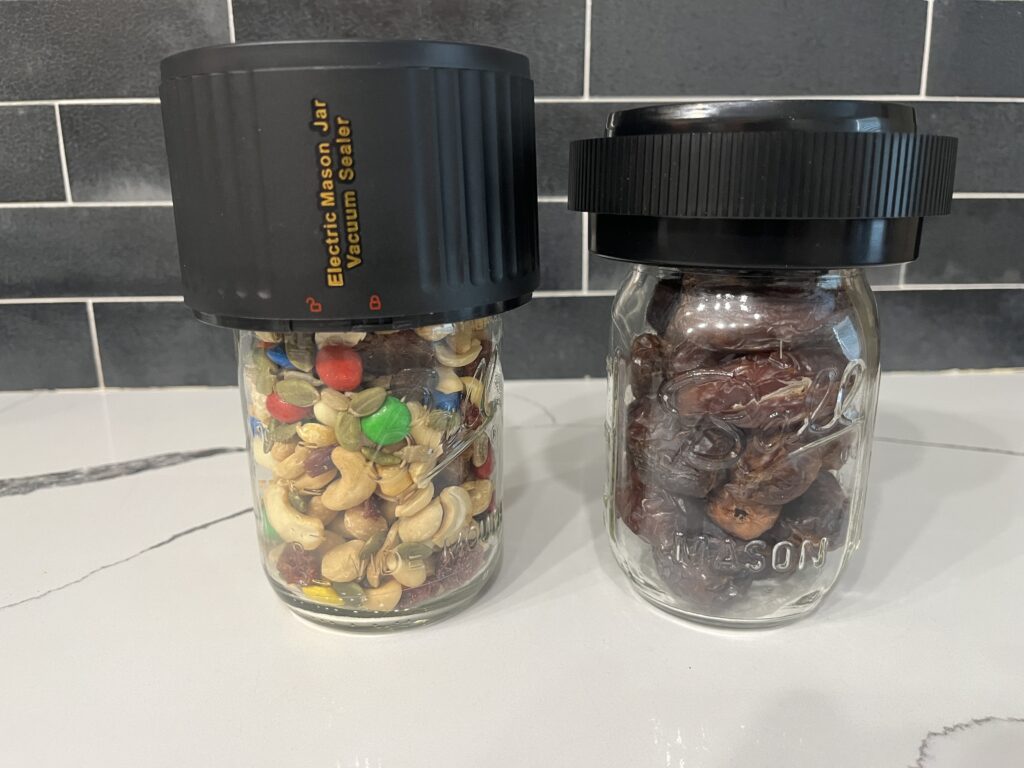
A jar-top vacuum sealer is one of those tools. These small devices remove air from mason jars, creating a vacuum seal. They are simple to use, take up very little space, and can help keep all kinds of dry foods fresh longer.
And I do mean all kinds of things.
One of the best parts? It works without you having to stand over it. So set it and go back to doing whatever you were doing! Cooking, filling another jar, reading an NSFW book….we don’t judge!
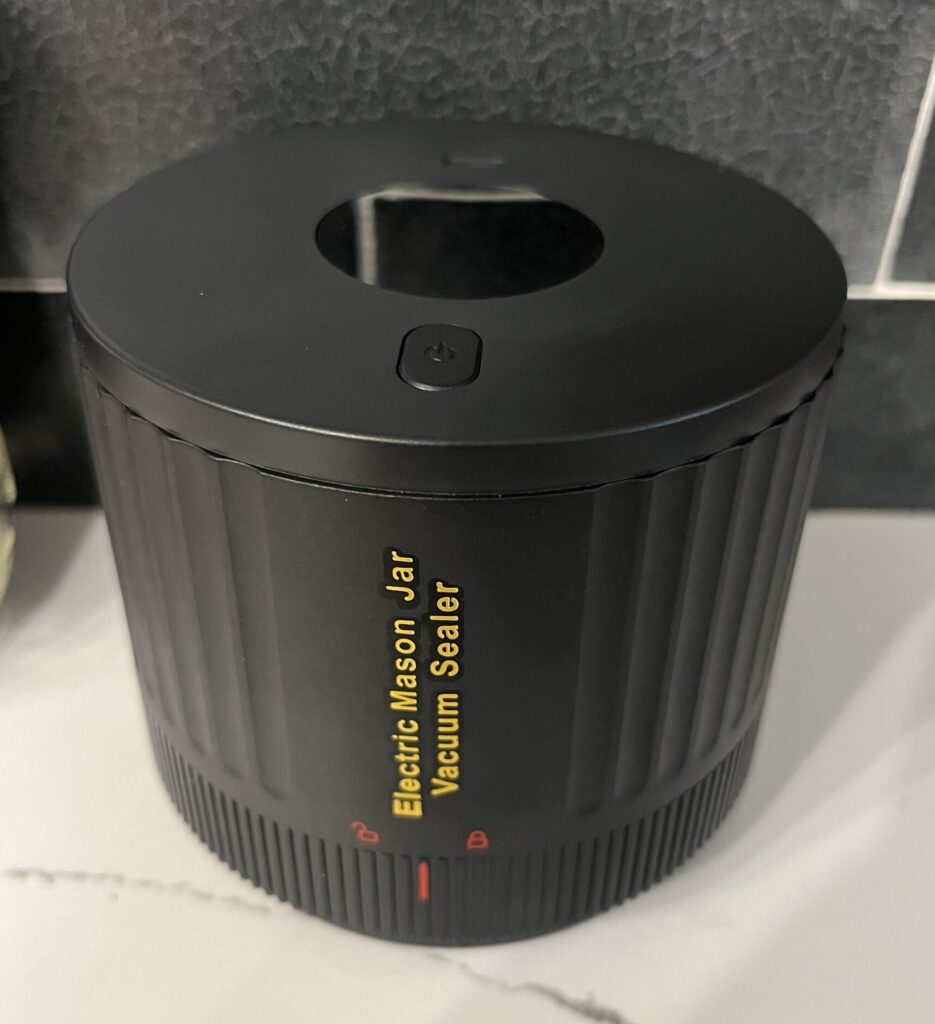
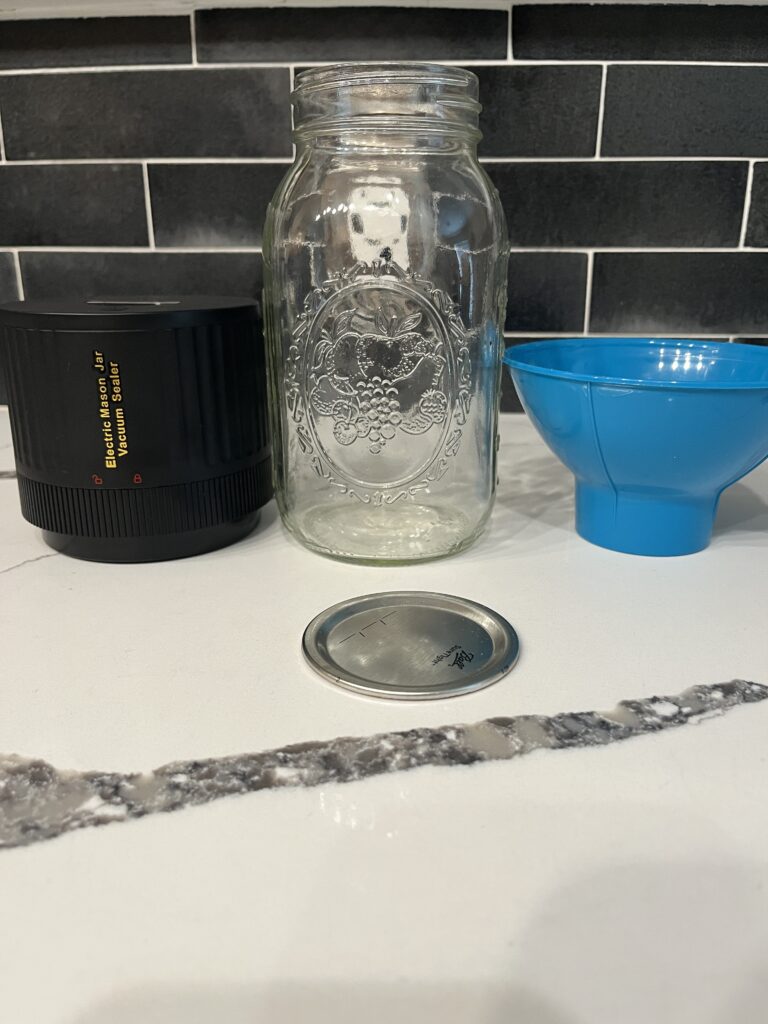
Store Your Dried Garden Harvest
If you grow and dry herbs, peppers, or vegetables, a jar vacuum sealer can be incredibly useful.
Dried basil, rosemary, oregano, cayenne peppers, and other garden goodies can be stored in jars and vacuum-sealed to help protect them from air and moisture. You can keep the larger portion sealed away in your pantry and break the seal only when refilling the smaller jars in your spice cabinet.
The same goes for dehydrated vegetables.
The important word here is dehydrated. Foods should be completely dry before being vacuum-sealed for shelf storage. Vacuum sealing is not a substitute for proper dehydration or canning.
But for foods that have been properly dried? Seal away!
It is very satisfying to see rows of jars filled with things you grew and preserved yourself. It makes you feel extremely organized, even if the junk drawer across the room tells a very different story.
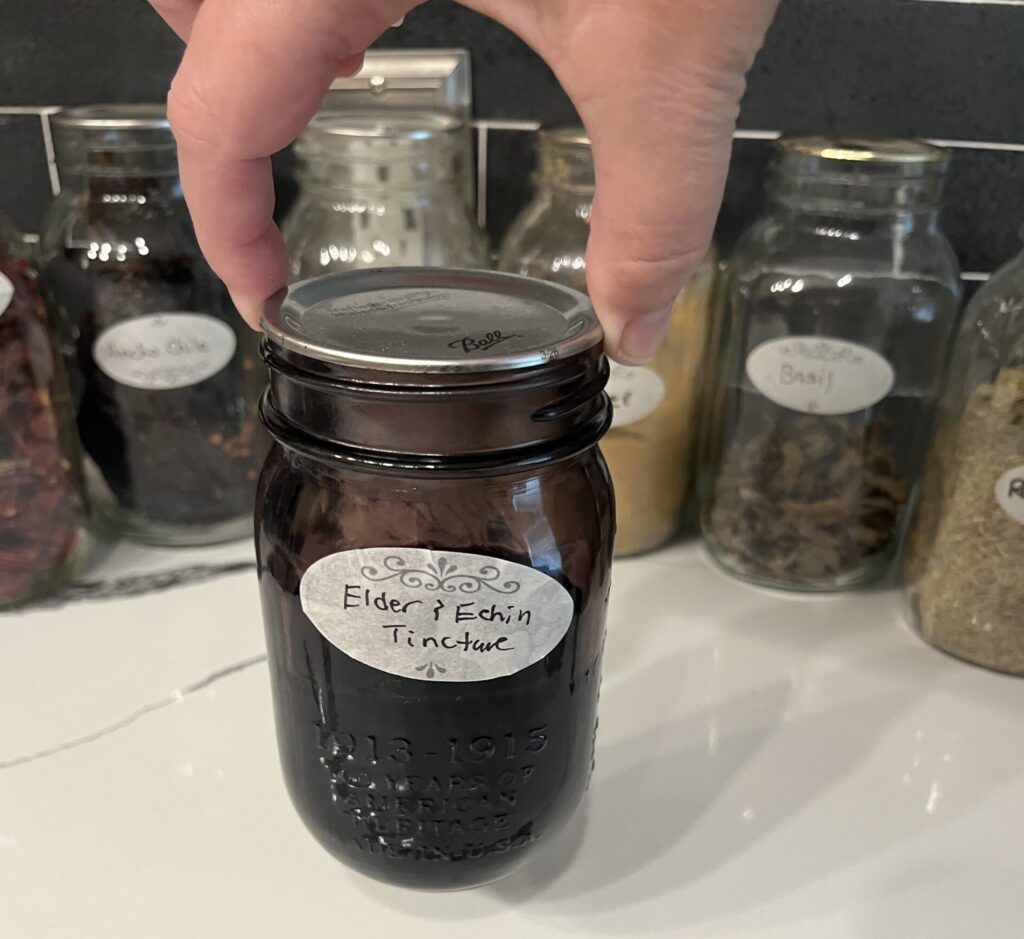
Use It for Everyday Pantry Staples
You do not have to grow or dehydrate anything to make good use of a jar vacuum sealer.
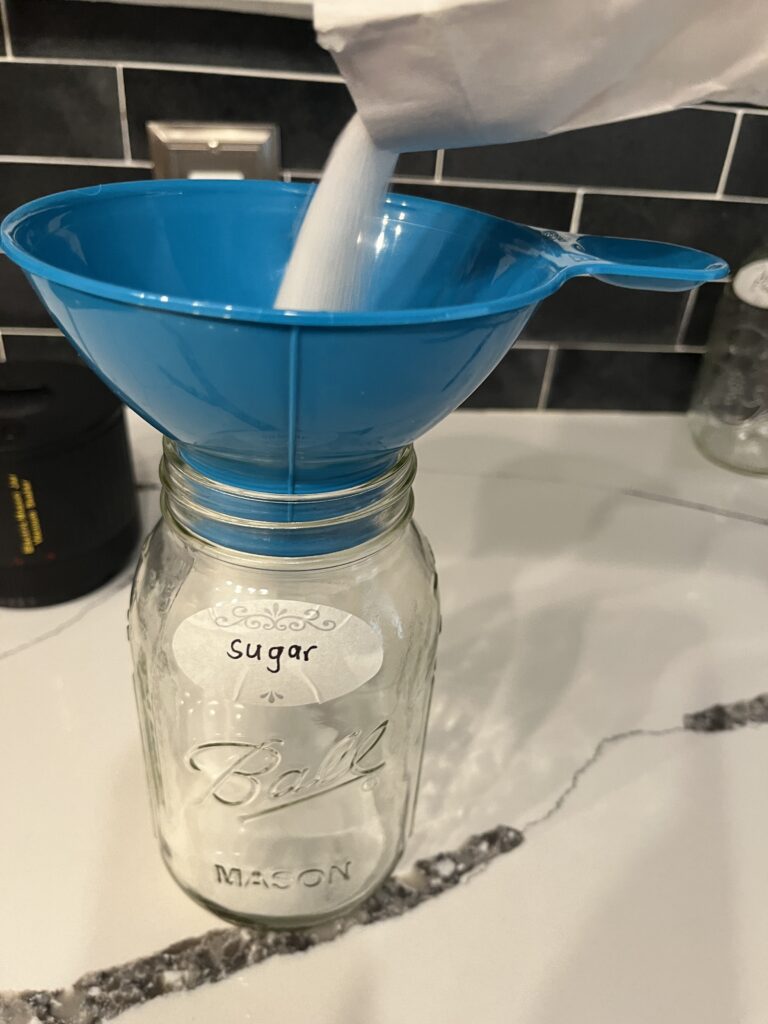
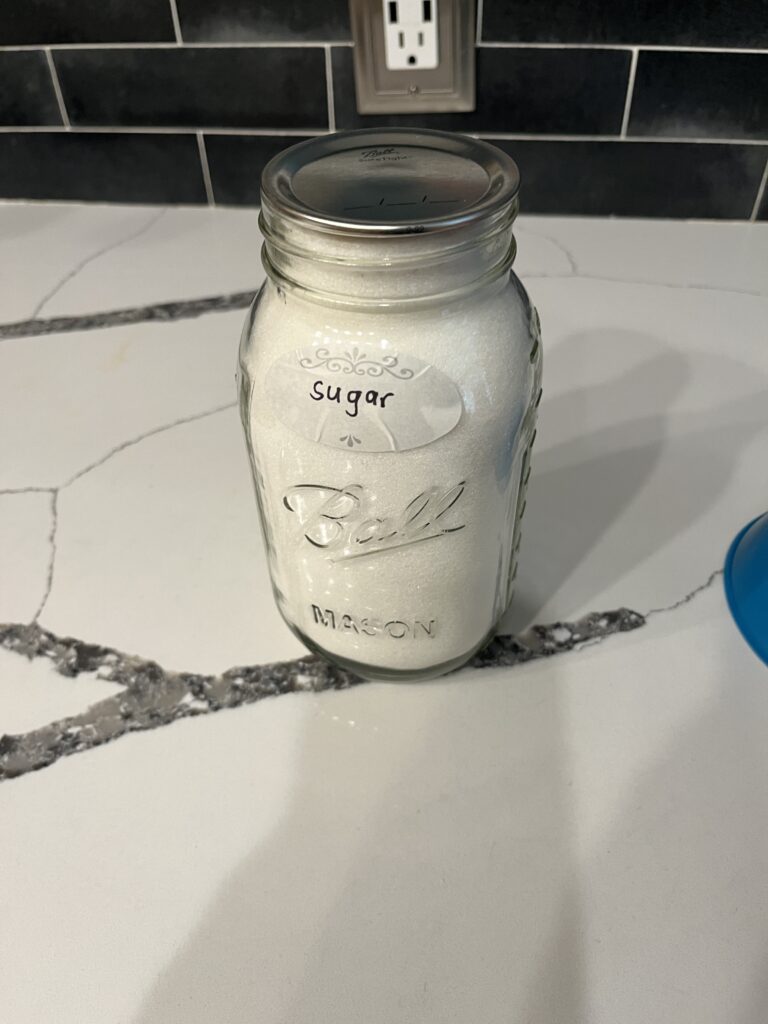
Many everyday shelf-stable foods can be stored in vacuum-sealed jars. Depending on the food and your storage needs, this may include sugar, loose tea, dried herbs and spices, and other dry pantry staples.
This can be especially useful if you buy larger packages but use the food slowly.
Instead of repeatedly opening the original package and exposing everything to air and humidity, you can divide the food into smaller jars. Open one jar for regular use and leave the others sealed until you need them.
Simple.
Flour and the Tiny Uninvited Guests
Let’s talk about flour.
You buy a bag. You put it in the pantry. You turn your back for approximately three seconds.
BAM! Weevils. Okay, maybe not quite that quick, but sometimes it really feels that way. Not only is it frustrating, but let’s be honest, it’s nasty.
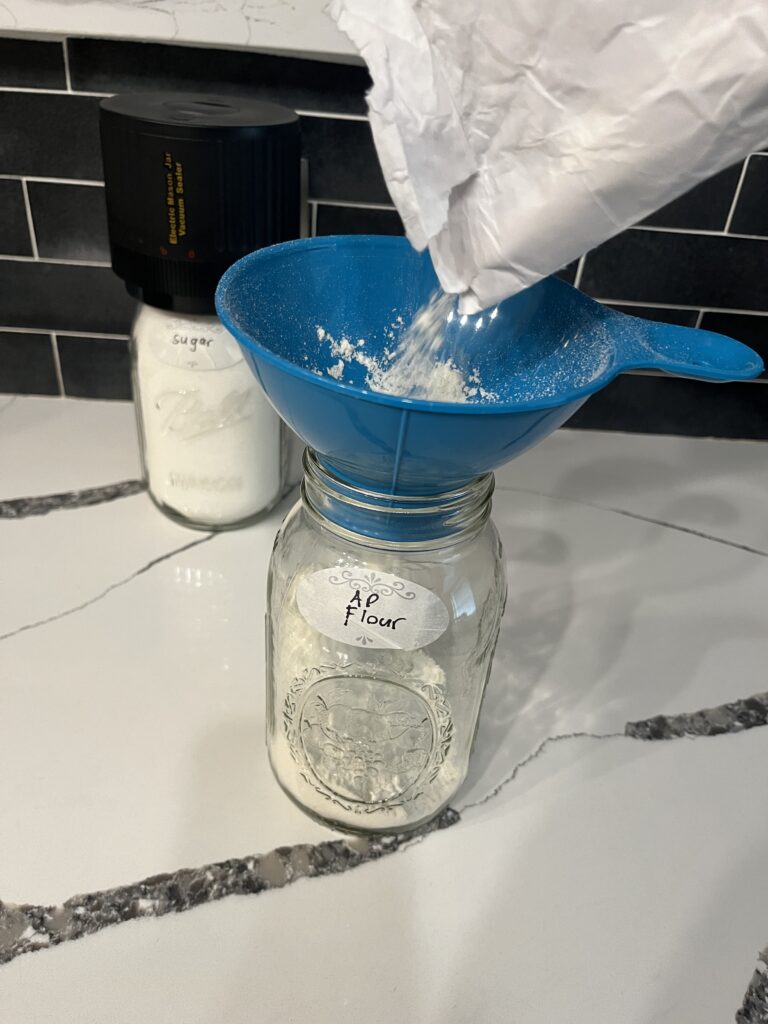
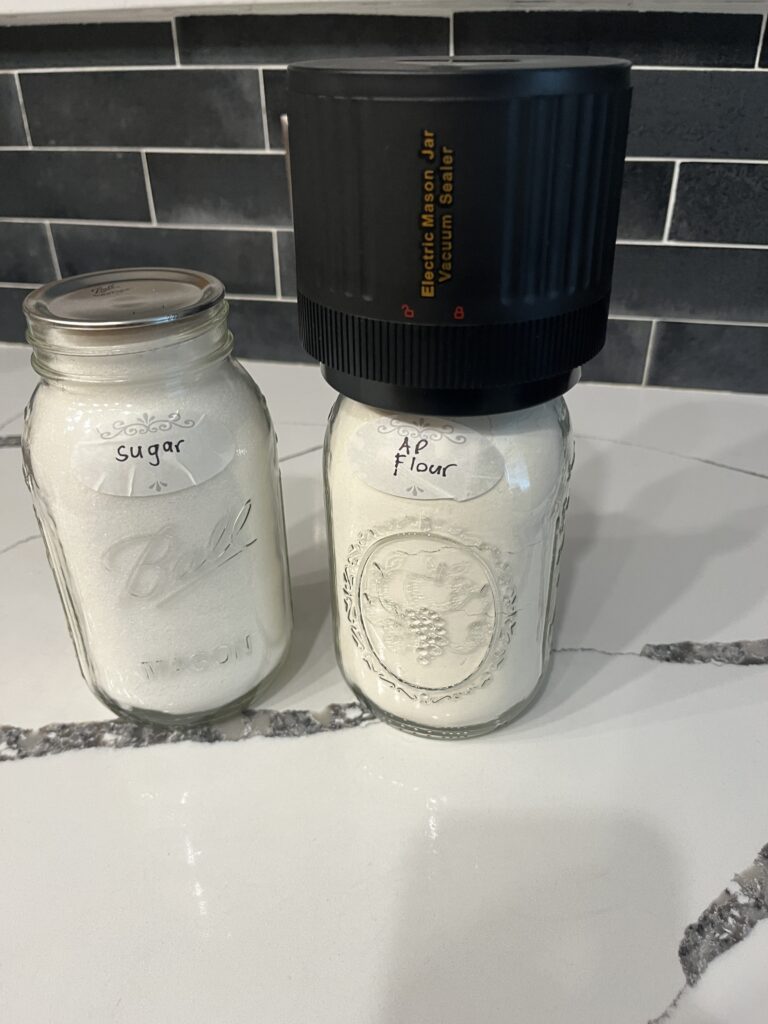
Dry pantry foods such as flour can be vulnerable to insects and their eggs long before it ever gets to your house. Vacuum sealing can be a useful part of a larger dry-food storage system, helping protect food from new insect infestations and reducing its exposure to air and moisture.
However, vacuum sealing does not magically kill every possible insect egg already present in a product. Some people choose to freeze flour or other dry goods, or to dry-can them for long-term storage, depending on the product and their storage plans. These are likely better methods for folks who buy in bulk and/or take part in farm co-ops.
For us “regular” folks, vacuum-sealing our normal, smaller amounts in jars can be a convenient way to divide them into manageable portions that last longer.
Because discovering tiny creatures have claimed your baking supplies is not the kind of homesteading adventure anyone asked for.
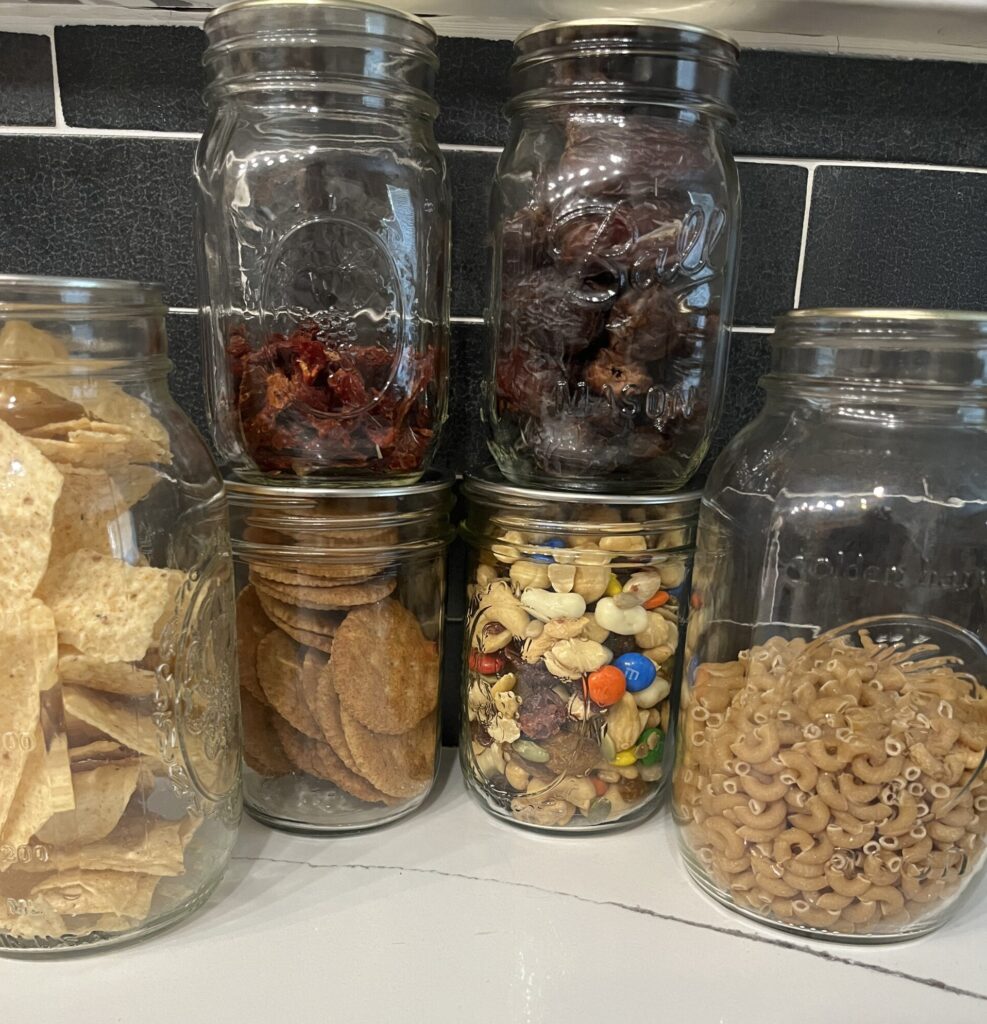
Wait…Can you vacuum-seal chips?
This is one of my favorite uses. I just learned this was a thing from someone in my life and thought “huh. Why didn’t I think of that?”
Chips. Crackers. Cereal. Other dry snacks like trail mix. These are things that, if they aren’t used fast enough, go stale. When do you figure that out? Yea. Gross. They are now sad, chewy versions of their former selves.
Many of these foods can be stored in jars and vacuum-sealed between uses to help reduce exposure to air and humidity. This can be especially helpful if you live in a humid climate or do not finish an entire package quickly.
Pour the food into an appropriately sized jar, seal it, and reopen it when you are ready for more. Just remember that delicate foods can be crushed if the vacuum is too strong or if they are packed tightly. Give fragile snacks some room.
Nobody wants vacuum-sealed cracker dust. Unless you needed breadcrumbs. Then congratulations. That worked out nicely.
Note: I wouldn’t do this with items that go quickly in your home. Just the ones that tend to sit around more often than not. Sad and waiting for you to remember them.
Give Fresh Fruit a Little More Time
A jar-top vacuum sealer can also be useful for some fresh foods that seem determined to go bad the minute you bring them home.
I’m looking at you, strawberries.
Fresh berries such as blueberries and strawberries can sometimes be vacuum-sealed in jars and stored in the refrigerator to help extend their usable life. This can reduce their exposure to air and help protect delicate fruit from getting crushed in the refrigerator.
However, this is not a long-term preservation method. Fresh fruit still contains moisture and must remain refrigerated. Vacuum sealing does not make fresh berries shelf-stable, and you should still check them regularly for signs of spoilage or mold.
Think of this method as buying yourself a little extra time—not preserving strawberries until next Christmas.
For delicate berries, make sure they are clean and thoroughly dry before sealing. Extra moisture encourages spoilage, which is exactly what we are trying to avoid.
Vacuum sealing fresh fruit can be especially helpful when you buy a large container of berries and suddenly realize your family has decided they no longer like the fruit they ate every day last week. Seal the berries in a jar, refrigerate it, and enjoy a little more time to use them in breakfasts, smoothies, desserts, or snacks.
Vacuum Sealing Can Help Other Refrigerator Items Too
Your jar vacuum sealer does not have to live exclusively in the pantry.
It can also be useful for helping protect certain foods stored in the refrigerator. Foods such as butter can pick up odors and flavors from other foods around them, especially during longer storage. Vacuum sealing butter in a jar can help reduce its exposure to air and all the interesting smells floating around the refrigerator.
Because nobody wants garlic-and-leftover-taco-flavored butter on their morning toast.
This can be especially useful if you buy butter on sale or keep different types of butter for cooking and baking. Divide it into smaller amounts, keep the portion you are currently using easily accessible, and vacuum-seal the rest in jars in the refrigerator.
If you make your own butter, sour cream, etc., this can be especially useful, as they don’t have preservatives, which can extend their shelf life. Which is one of the reasons you make it. Right? It can also be frustrating when it goes bad super quickly.
The same basic idea can be useful for other appropriate refrigerated foods: reducing exposure to air and odors may help maintain quality longer.
Just remember that vacuum sealing does not make refrigerated food shelf-stable. Butter and other foods that require cold storage should still be stored at the proper temperature, even after the jar has been sealed.
Think of vacuum sealing as giving your refrigerator storage a little extra help. Not giving your butter superpowers.
Vacuum Sealing Is Not Canning
This is important.
Creating a vacuum seal on a jar does not make moist or perishable food shelf-stable.
A jar vacuum sealer is useful for appropriate dry foods. It does not replace water-bath canning, pressure canning, refrigeration, freezing, or other safe food preservation methods.
Do not put leftover soup in a jar, vacuum-seal the lid, and put it in the pantry.
Please.
The jar sealer is a storage tool, not a magic wand.
A Simple Tool With a Lot of Uses
A jar-top vacuum sealer is one of those small tools that can be useful for gardeners, homesteaders, and anyone who simply wants to waste less food.
Use it to protect properly dried garden herbs. Store dehydrated peppers and vegetables. Divide dry pantry staples into smaller portions. Help keep tea fresh and crackers crunchy.
You do not need a giant garden or a pantry large enough to survive the apocalypse. You can start with one jar of dried oregano. Or half a box of cereal nobody seems to be eating right now, but will desperately want approximately three minutes after you throw it away.
That counts too!
An Easy Place to Start
If you are interested in food preservation but traditional canning feels a little intimidating, a jar-top vacuum sealer is a great place to start.
It is simple & inexpensive! You can start with mason jars you may already have or find at a garage sale. There are no giant pots of boiling water, special canning recipes, or afternoons spent wondering why one jar did not seal when all its little jar friends did.
Start with dried herbs. Try some dehydrated peppers or vegetables. Save your flour from the weevils and your crackers from becoming sad little pieces of cardboard.
Just be careful. A jar vacuum sealer can be a gateway drug into food preservation.
One day, you are vacuum-sealing half a bag of chips. The next thing you know, you own three canners, a dehydrator, 200 mason jars, and you are trying to convince your family that homemade tomato sauce is a perfectly reasonable birthday gift.
You’ve been warned. Welcome to preserving.
Small Steps. Meaningful Rewards.
📤 Share the Knowledge
Know someone who could benefit from this article? Share it and help another gardener grow with confidence.
Gardening is better together. Join our free Facebook community to ask questions, share your progress, and learn alongside other gardeners.
🛠️ Product Links
This section contains an affiliate link. If you purchase through one of these links, we may earn a small commission at no extra cost to you.
Thank you for helping support Small Scale Homestead!
Vacuum Sealer
This handy jar vacuum sealer helps remove air from Mason jars to keep dry goods fresher longer. Simple, compact, and perfect for everyday pantry storage.
📖 Related Articles
Easy Diced Tomatoes
Learn how to quickly peel and dice fresh tomatoes, making them ready for canning, freezing, cooking, or your favorite homemade recipes.
No Garden? No problem!
Discover simple ways to preserve fresh food from your garden, local farmers’ market, or grocery store while reducing waste and saving money.
Canning 101
Explore the different types of home canning with a simple beginner’s guide before moving on to detailed canning tutorials and recipes.
Leave a Reply