
A Quick Reference Guide
When you think about food preservation, you may picture giant canning pots, rows of jars, and an entire Saturday lost somewhere beneath 40 pounds of tomatoes.
But preserving food can start much smaller.
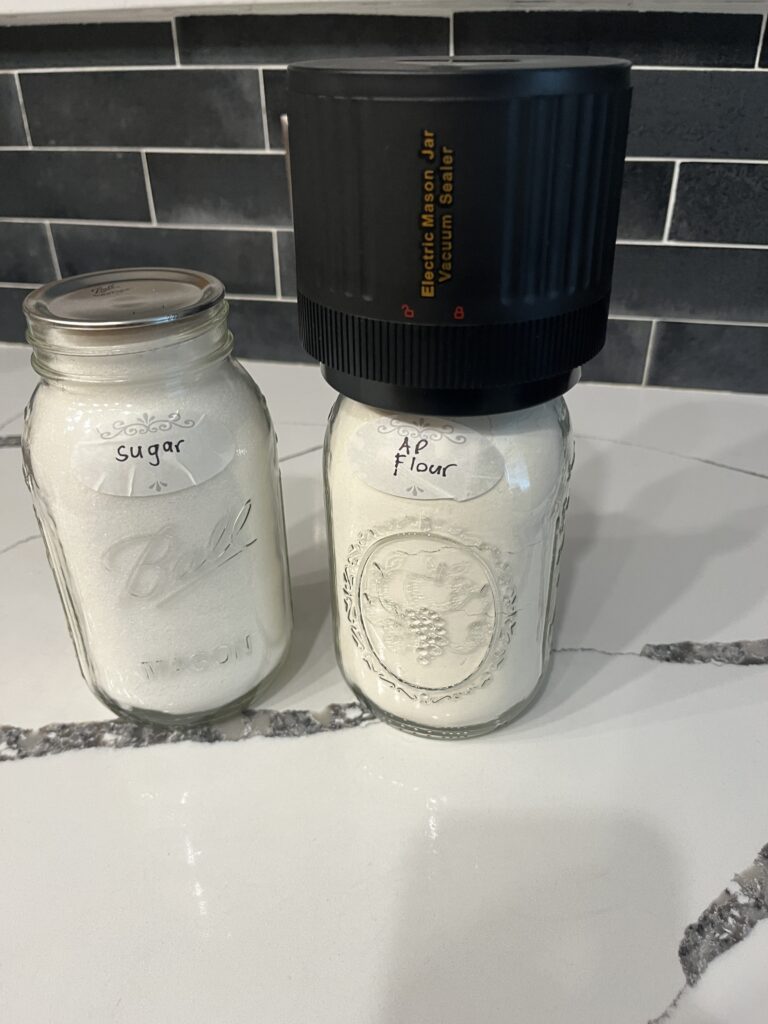
A jar-top vacuum sealer is an inexpensive little tool that removes air from mason jars and creates a vacuum seal. It can help protect food from air and moisture, keep certain foods fresh longer, and reduce food waste.
And it works for a surprising number of things.
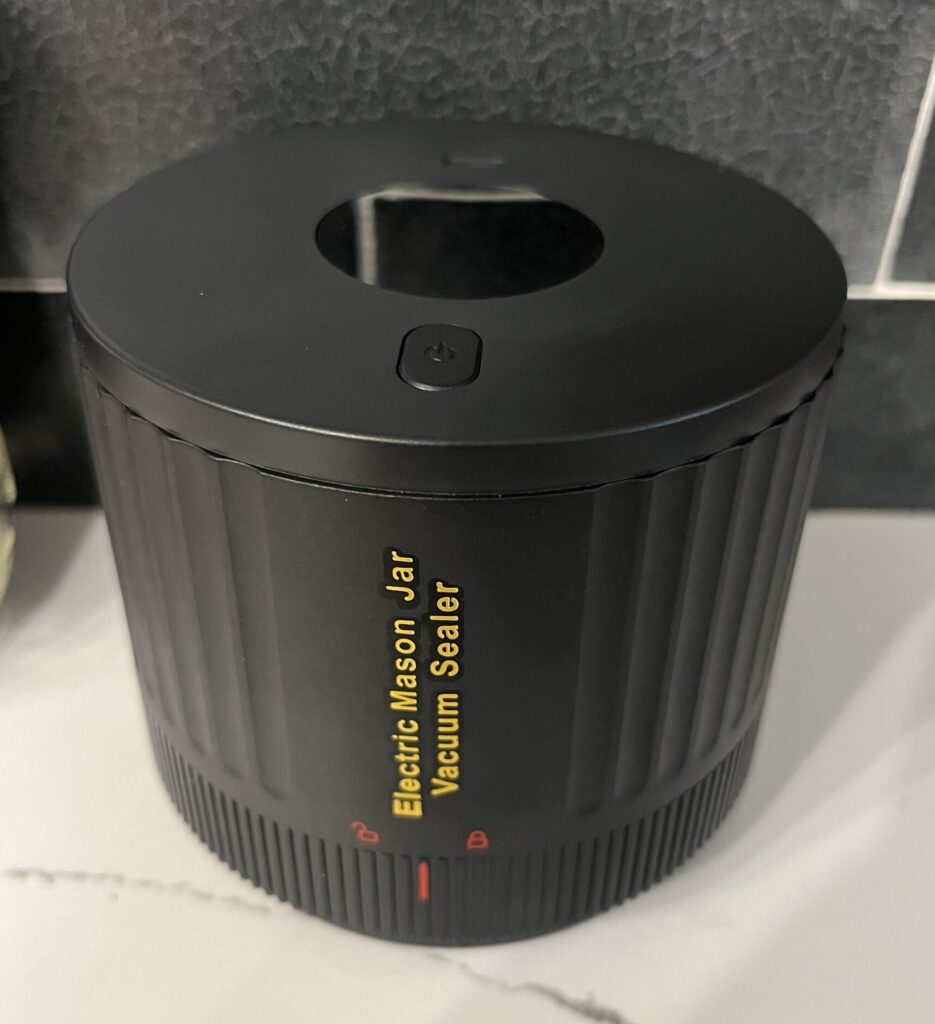
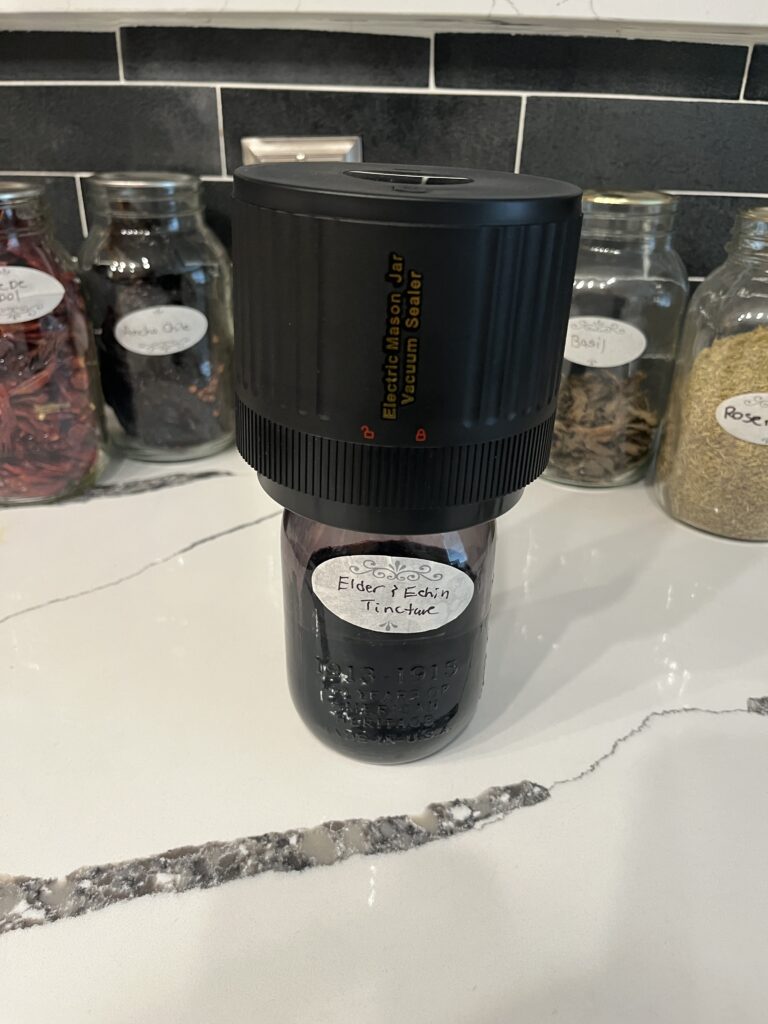
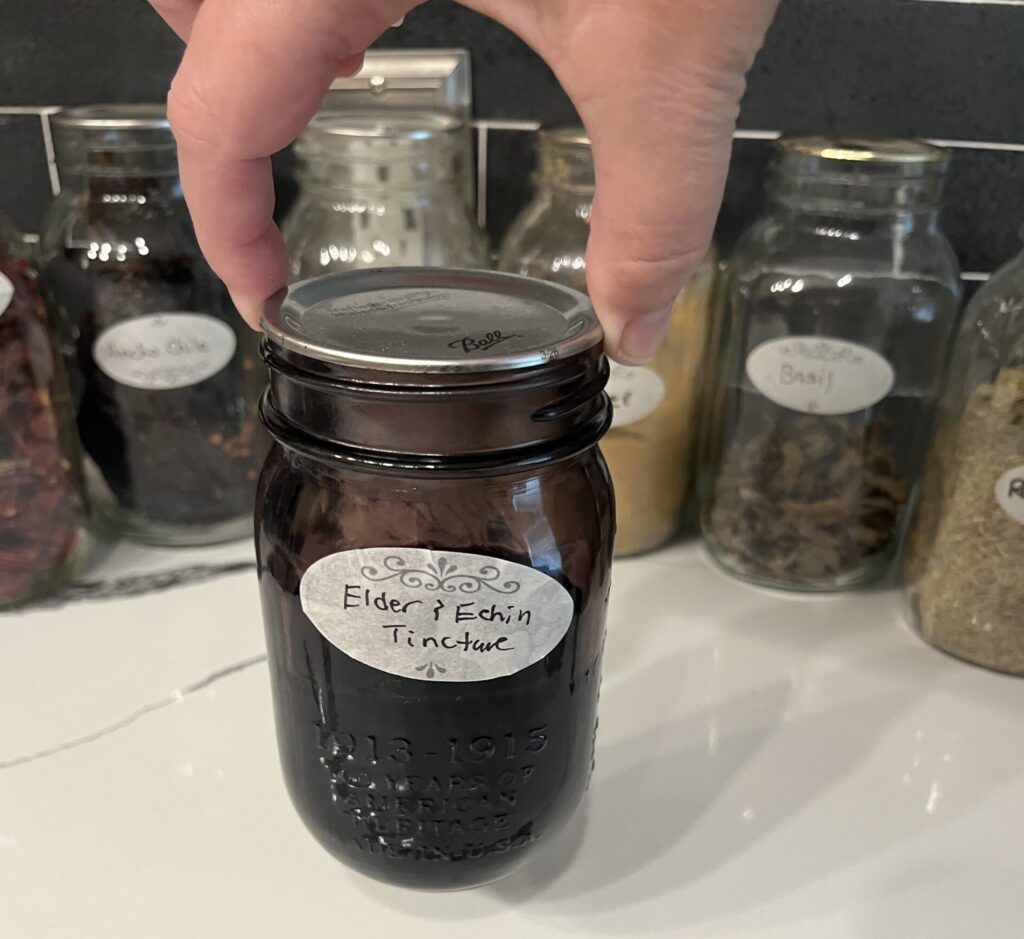
What Can You Vacuum Seal in Jars?
Here are just a few ways you can put a jar-top vacuum sealer to work:
- Dried herbs: Keep homegrown or store-bought dried herbs protected from air and moisture. Basil, rosemary, oregano, and other completely dried herbs can all be stored this way.
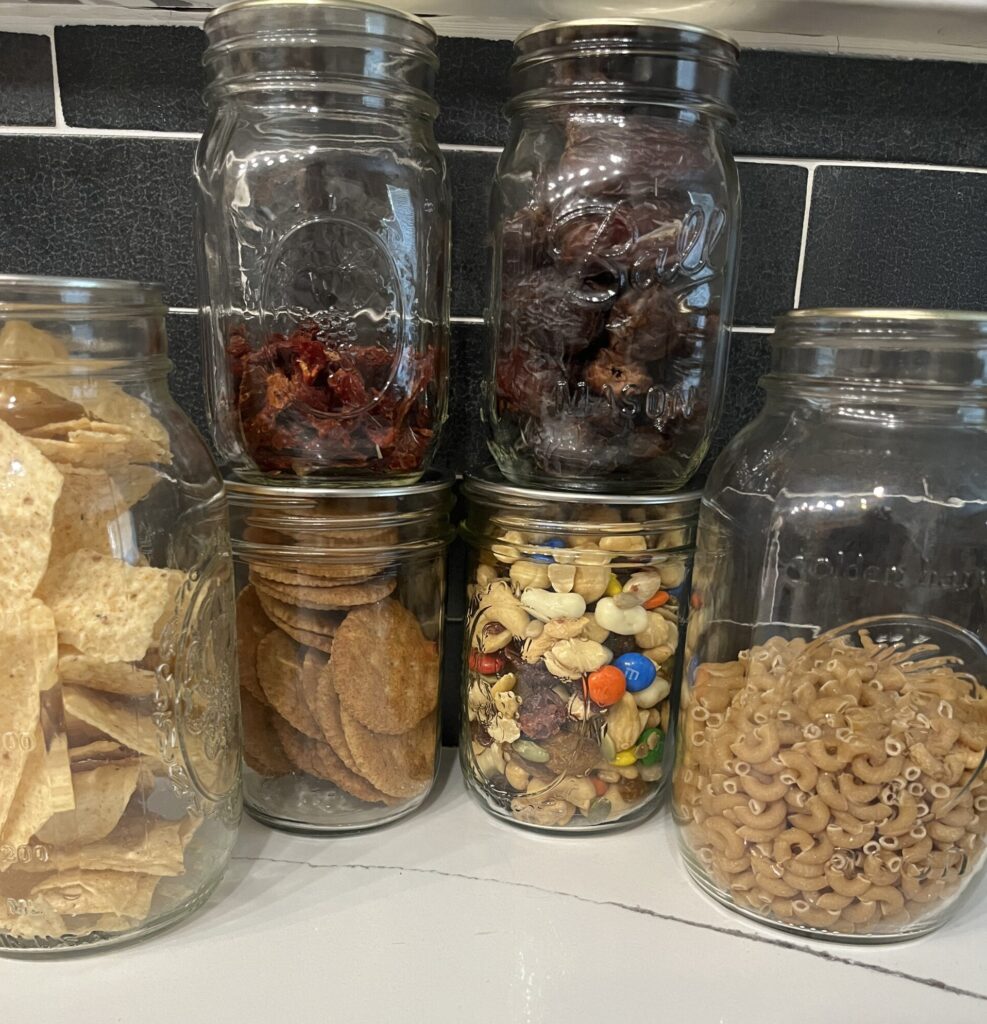
- Dried peppers and vegetables: Dehydrated peppers, tomatoes, onions, and other vegetables can be vacuum-sealed once they are completely dry.
- Tea and dry pantry staples: Loose tea, sugar, and many other dry shelf-stable foods can be divided into smaller jars and sealed until you are ready to use them.
- Flour: Vacuum sealing can help protect flour from new exposure to pantry pests and moisture. Because apparently, if you turn your back on a bag of flour for three seconds, the weevils start making plans.
- Chips and crackers: Yes, really! Foods that tend to go stale rather than spoil quickly can be stored in jars and vacuum-sealed between uses. This is especially handy in humid climates.
- Cereal: If your household likes to open three boxes of cereal at the same time and then forget two of them exist, vacuum sealing smaller portions can help keep them fresh longer.
- Fresh berries: Strawberries and blueberries can be vacuum-sealed in jars and kept in the refrigerator to help extend their usable life. This is not long-term preservation; the fruit must remain refrigerated, but it may buy you a little more time before the strawberries become fuzzy.
- Refrigerated foods such as butter: Vacuum sealing can also help protect them from air and refrigerator odors. The food must still remain refrigerated because the vacuum seal does not make it shelf-stable.
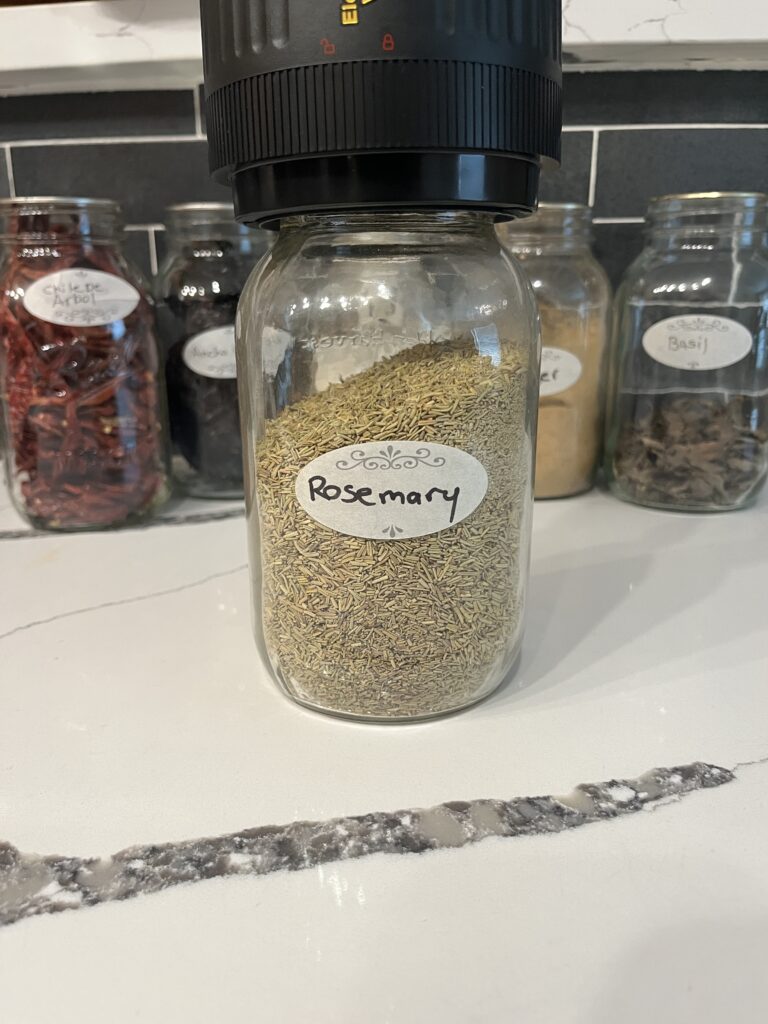
One Important Thing to Remember
Vacuum sealing is not the same as canning.
Creating a vacuum seal does not make moist or perishable foods safe to store at room temperature. Foods that require refrigeration must stay refrigerated, and foods that require proper canning methods must still be properly canned.
A jar vacuum sealer is a storage and preservation tool.
It is not a magic wand.
A Simple Place to Start
If traditional canning feels a little overwhelming, jar vacuum sealing is an easy and inexpensive way to start learning about food storage and preservation.
You can start with something as simple as dried herbs, half a box of crackers, or strawberries that need a little help surviving until the weekend.
Just be careful.
Jar vacuum sealing can be a gateway drug into food preservation.
One day, you are sealing half a bag of chips.
The next thing you know, you own three canners, a dehydrator, 200 mason jars, and you are giving homemade tomato sauce as Christmas gifts.
If you are ready to learn more about everything you can do with this surprisingly useful little tool, read my Complete Beginner’s Guide to Jar-Top Vacuum Sealing.
Small Steps. Meaningful Rewards.
📤 Share the Knowledge
Know someone who could benefit from this article? Share it and help another gardener grow with confidence.
Gardening is better together. Join our free Facebook community to ask questions, share your progress, and learn alongside other gardeners.
🛠️ Product Links
This section contains an affiliate link. If you purchase through one of these links, we may earn a small commission at no extra cost to you.
Thank you for helping support Small Scale Homestead!
Vacuum Sealer
This handy jar vacuum sealer helps remove air from Mason jars to keep dry goods fresher longer. Simple, compact, and perfect for everyday pantry storage.
📖 Related Articles
Full Article
Check out the extended, more in-depth version of this reference for more details and vacuum-sealing ideas!
No Garden? No problem!
Discover simple ways to preserve fresh food from your garden, local farmers’ market, or grocery store while reducing waste and saving money.
Canning 101
Explore the different types of home canning with a simple beginner’s guide before moving on to detailed canning tutorials and recipes.
Leave a Reply