
Your garden tools have been through some things this summer.
Mud. Rain. Fertilizer. Plant sap. Mystery goo. That one tomato plant you swear tried to eat you alive.
By the end of the growing season, your shovels, trowels, shears, pruners, and other garden tools deserve a little attention before you toss them into the garage or shed and forget they exist until spring.
The good news? End-of-season garden tool care doesn’t need to become an all-day project. A little cleaning, sharpening, oiling, and proper storage can help prevent rust, keep tools working properly, and make sure they’re ready when you need them again.
And if you invested in a nice pair of pruners or shears, take care of the darn things! There’s no reason to turn an expensive garden tool into a rusty paperweight.
Start With a Good Cleaning
First, get the garden off your garden tools.
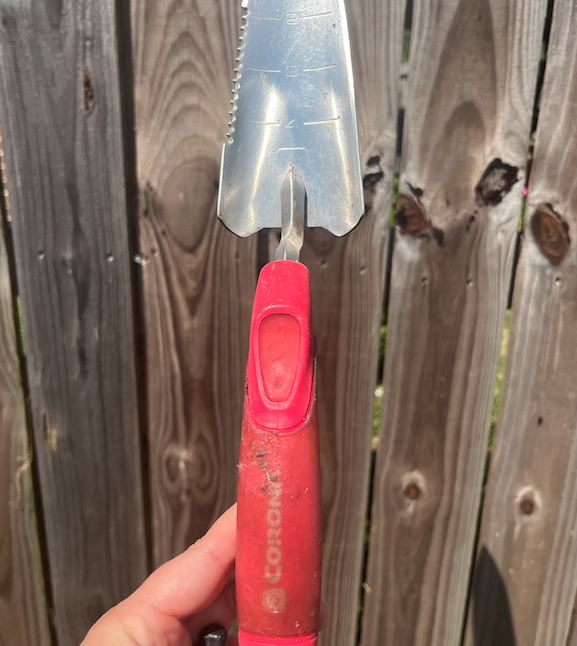
Remove caked-on dirt and mud from shovels, trowels, hoes, forks, and other digging tools. A stiff brush can handle a lot of it, and stubborn dirt may need a little water and scrubbing.
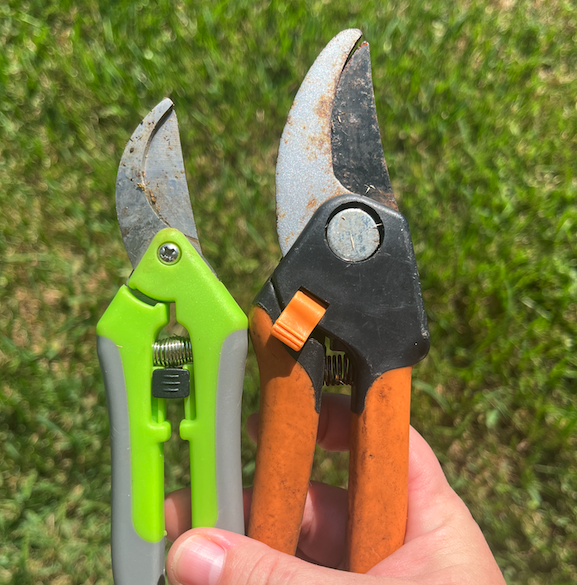
Don’t forget your pruners and shears. Plant sap and debris can build up around the blades and moving parts throughout the season.
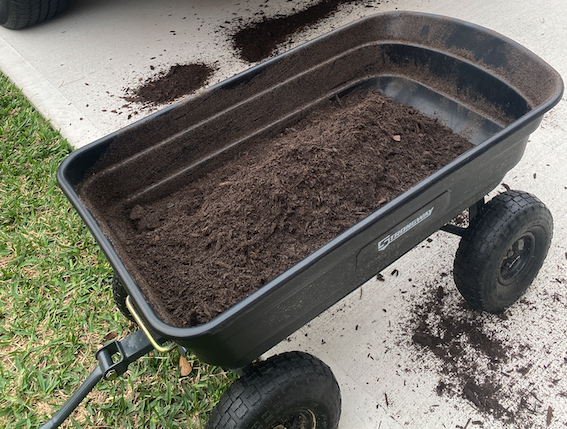
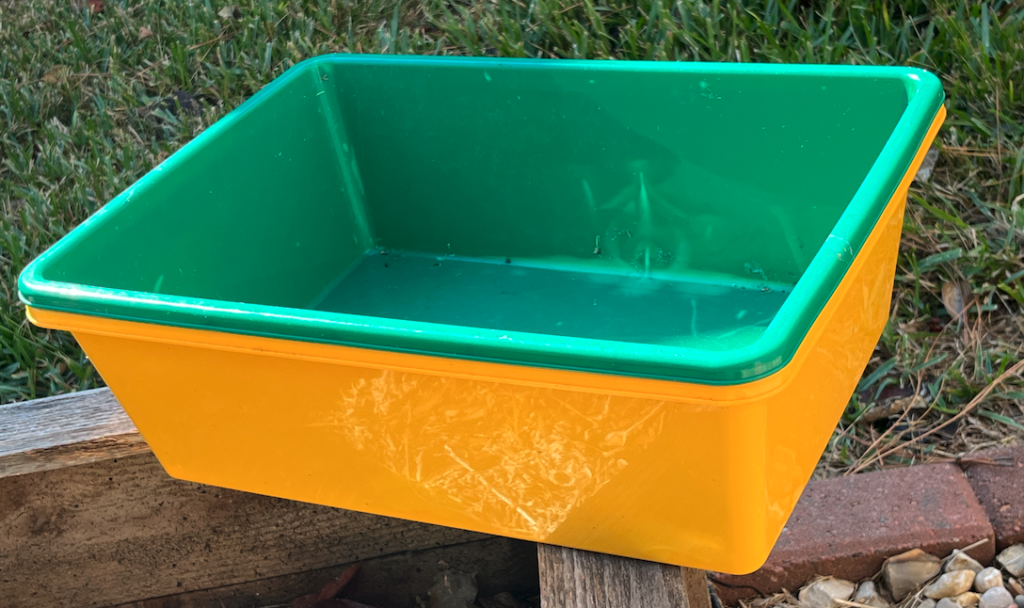
This includes the containers and buckets you used throughout the season! Pots, harvest buckets, soil containers, seed-starting trays, and anything else that spent the summer hauling dirt, plants, or produce should get cleaned too.
Knock out the old soil and plant debris, give them a good wash, and let them dry completely before storing them. If they held diseased plants or came into contact with known plant disease, disinfect them before storing them.
Once everything is clean, let your tools dry completely before storing them. Putting damp metal tools into a dark shed for several months is basically sending rust a handwritten invitation.
Disinfect Tools When Needed
You don’t necessarily need to disinfect every shovel because it touched dirt. They are garden tools. Dirt is sort of their thing. However, disinfecting becomes much more important if you’ve been working around plants with known or suspected diseases.
This is especially important for pruning tools because blades can potentially move pathogens from one plant to another.
For a quick disinfectant, 70% isopropyl alcohol is an easy option. You can apply it directly to appropriate tool surfaces by using a spray bottle, allow adequate contact time, and wipe or let the tool dry according to the method you’re using.
If you’re moving between diseased and healthy plants during the growing season, don’t wait until fall!! Disinfect pruning tools between plants when appropriate so you aren’t accidentally giving whatever attacked Plant A a free ride over to Plant B.
Sharing is usually nice. Not this time.
Sharpen Shears, Pruners, and Clippers
Dull blades make gardening harder than it needs to be and can crush or tear plant tissue instead of making a clean cut.
Fall is a great time to inspect and sharpen:
- Pruning shears
- Garden scissors
- Hedge shears
- Loppers
- Other cutting tools designed to be sharpened
You can use an appropriate sharpening stone, file, or garden-tool sharpener depending on the blade.
Pay attention to the original angle of the cutting edge and don’t go wild trying to redesign the blade. You’re sharpening it, not auditioning for Forged in Fire.
If you bought higher-quality pruners or shears, check the manufacturer’s care instructions too. Some brands offer replacement blades, springs, or other parts, which is another good reason to maintain a quality tool instead of replacing the entire thing when one component wears out.
Oil Tools That Need It
After cleaning and sharpening, give moving parts a little attention.
Pruners, shears, loppers, and similar tools can benefit from an appropriate lubricating oil at the pivot points and other moving components.
Open and close the tool several times after applying a small amount so the lubricant works into the joint, then wipe away the excess.
Metal surfaces may also benefit from a light protective coating appropriate for the tool to help prevent rust during storage.
You don’t need to marinate your pruning shears. A little goes a long way.
They make special tool oils, but I prefer to just use something like 3-in-One oil that can also be used for squeaky door hinges or whatever. You can also find it at most stores. I like cost-effective, easy-to-find, and multipurpose whenever possible.
Check Handles, Screws, and Moving Parts
While you’re already messing with everything, give your tools a quick inspection.
Look for:
- Loose screws or bolts
- Worn springs
- Cracked or splintered wooden handles
- Bent components
- Rust
- Damaged grips
- Loose shovel or rake heads
Fixing a loose screw now takes roughly two minutes.
Discovering the shovel head is loose when you’re halfway through digging a hole next spring will somehow require seventeen minutes, three tools you can’t find, and several words I won’t print here.
That’s just how these things work. Obviously.
Shovels, Trowels, and Digging Tools
Cutting tools tend to get all the attention, but your digging tools need some love too.
After removing soil and debris, check metal surfaces for rust and damage. Also inspect wooden handles for rough areas, cracks, or splinters.
If you’ve invested in a good shovel, garden fork, broadfork, or other digging tool, follow the manufacturer’s recommendations for caring for the handle and metal components.
Good garden tools can last for years, and sometimes decades, when you maintain them instead of abandoning them outside beside the garden bed.
Not that I’ve ever done that. I would never……fine. Guilty.
Store Garden Tools Somewhere Dry
Once everything is clean, dry, sharpened, and oiled, put them away somewhere protected from the weather.
A garage, shed, storage cabinet, or other dry area works well. Once they’re clean, you can store them in a closet in your home without being annoyed by the mess.
Whenever possible, keep tools off damp floors and don’t leave them sitting outside all winter. Hanging larger tools also makes them easier to organize and keeps you from creating that delightful shed situation where removing one rake triggers a coordinated attack from seven other tools.
A Little Tool Care Goes a Long Way
You don’t need fancy equipment or an elaborate garden-tool maintenance station.
Clean off the dirt. Disinfect when disease has been an issue. Sharpen dull cutting tools. Oil the parts that need it. Check for damage. Put everything somewhere dry.
That’s it!
After an entire growing season of digging, cutting, pruning, harvesting, and occasionally being used for something they were absolutely not designed to do, your garden tools have earned five minutes of attention.
Take care of them now, and when it’s time to start gardening again, you can grab your tools and get to work instead of discovering that your favorite pair of shears spent the winter slowly turning into a rust sculpture.
Future You already has enough spring garden jobs. Don’t give her another one.
Small Steps. Meaningful Rewards.
📤 Share the Knowledge
Know someone who could benefit from this article? Share it and help another gardener grow with confidence.
Gardening & Homesteading are better together. Join our free Facebook community to ask questions, share your progress, and learn alongside other gardeners.
📖 Related Articles
Get Your Garden Ready for Fall
A little cleanup now can make spring much easier. See what to remove, what can stay, and what else your garden may need before winter.
Give Your Garden Soil a Little TLC
Your plants have been eating all season. Learn what common soil amendments provide and how to figure out what your garden actually needs.
Put Your Garden Soil to Bed
Not planting again right away? Cover crops can protect bare soil, suppress weeds, and add organic matter while your garden takes a break.
🛠️ Related Product Links
Affiliate Disclosure: The links below are affiliate links. If you purchase through one of them, we may earn a small commission at no extra cost to you.
Thank you for helping support Small Scale Homestead!
3-IN-ONE Multi-Purpose Oil
A little oil goes a long way toward keeping garden tools moving smoothly and protecting working parts. This one earns bonus points because it’s useful around the house too, from garden equipment to that squeaky hinge you’ve been ignoring.
Cost-Effective Tool Sharpener
You don’t need an expensive sharpening system to keep basic garden tools in good working condition. A simple handheld sharpener is an affordable option for routine maintenance and easy to tuck away with your garden supplies.
Spray Bottles for Rubbing Alcohol
Small spray bottles make it easy to keep rubbing alcohol ready for cleaning and disinfecting garden tools between uses. They’re inexpensive, reusable, and much more convenient than dragging out the full bottle every time.
Leave a Reply