
Cover crops are plants grown primarily to benefit your soil rather than produce a harvest. They can protect bare ground, add organic matter, suppress weeds, and, depending on what you plant, help improve soil structure or manage nitrogen. That may even mean fewer soil supplements later!
Some cover crops are edible, too. A plant that protects the soil, improves the garden, and potentially feeds you? Now we’re just showing off.
People often plant cover crops to protect garden beds over winter, but that’s not their only use. If you have a larger garden or homestead, you may also want to give a row or section a break during the regular growing season. Instead of leaving that soil bare, you can put it to work growing a cover crop.
Are Cover Crops Right for You?
If you have a small garden that’s constantly in use, you probably don’t need to grow cover crops at all.
But there are situations where they can be useful even in a small garden.
For example, corn is a heavy nitrogen feeder. After growing corn, you could add a nitrogen-rich soil amendment, such as blood meal. Or you could plant an appropriate cover crop that can help add nitrogen back into the system.
The cover crop has a few extra tricks up its sleeve. While it’s growing, it can also protect bare soil from erosion, add organic matter, help prevent weeds, and, depending on what you choose, provide flowers for pollinators or even something edible for you.
Do you HAVE to use cover crops? Nope.
Can they be a useful tool when they fit your garden? Absolutely.
Why Would You Use Cover Crops?
That depends on what your soil needs and what you’re planning to grow next. Cover crops can be used for several different jobs:
• Help loosen or improve compacted soil
• Add organic matter
• Protect bare soil from wind and rain erosion
• Suppress weeds
• Help manage nutrients
• Add nitrogen when using appropriate legumes
• Reduce nutrient loss between growing seasons
• Provide habitat or food for pollinators
• Give unused garden space something productive to do
• In some cases, provide an edible crop
The important part is choosing the cover crop for the job you need it to do.
Cool-Weather vs. Warm-Weather Cover Crops
Cover crops aren’t just for winter.
Warm-season and cool-season options are available, so choose one that fits your weather and your goal.
For example, some are particularly good at adding biomass, some have deep roots that help improve compacted soil, and legumes can help with nitrogen. Some can even provide an edible harvest.
Here are some common options for each season:
| Cool-Season Cover Crops | ||
| Cover Crop | Main Benefit | Extra Benefits & Uses |
| Field Peas | Fixes nitrogen | Shoots, tendrils, and peas can be edible depending on variety |
| Daikon / Tillage Radish | Helps break up compacted soil | Roots and greens are edible if using a food variety |
| Winter Rye | Protects soil & adds organic matter | Extensive roots improve soil structure; mature grain is edible |
| Hairy Vetch | Fixes nitrogen & adds organic matter | Great soil builder; not a food crop |
| Red Clover | Fixes nitrogen | Supports pollinators; flowers and leaves are edible |
| Crimson Clover | Fixes nitrogen | Supports pollinators; flowers and leaves are edible |
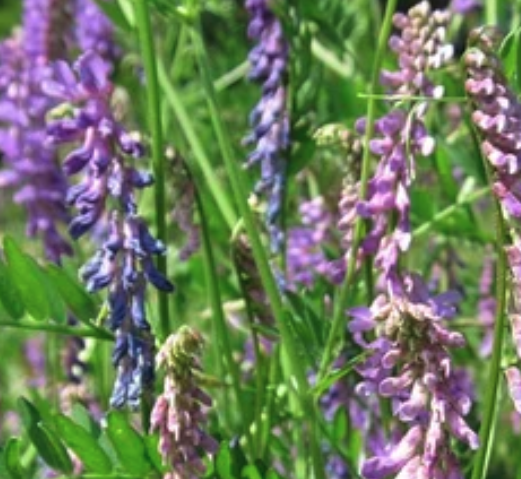
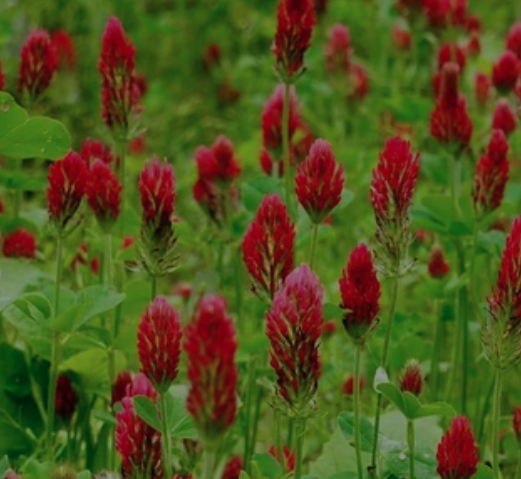
Photo courtesy of SeedsNow!
| Warm-Season Cover Crops | ||
| Cover Crop | Main Benefit | Extra Benefits & Uses |
| Buckwheat | Quickly adds organic matter & scavenges nutrients | Excellent for pollinators; seeds can be harvested for food |
| Cowpeas | Fix nitrogen | Beans/peas are edible when using edible varieties |
| Sunn Hemp | Fixes nitrogen & produces lots of biomass | Fast-growing soil builder; not a food crop |
| Sorghum-Sudangrass | Huge biomass & powerful roots help compacted soil | Excellent weed suppression; not generally grown as a human food crop |
| Soybeans | Fix nitrogen | Edible when an appropriate food/edamame variety is planted |

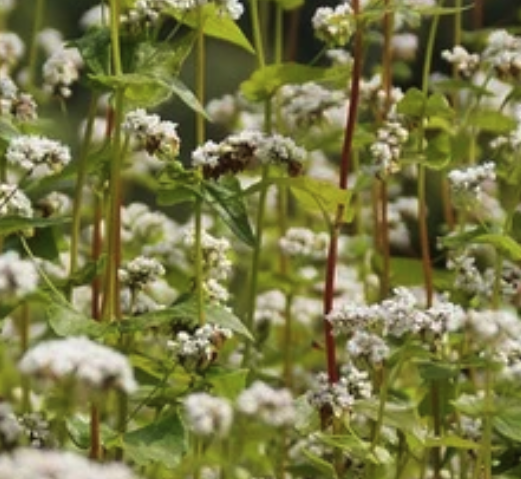
Photo courtesy of SeedsNow!
Make Your Cover Crops Useful a Second Time
The benefits don’t necessarily end when you’re ready to plant something else.
Once a cover crop has done its job, you can add the plant material to your compost pile. Depending on the crop and your gardening style, you can sometimes just cut or mow it down, leaving the roots in place while the tops remain on the soil surface.
Those roots and plant materials eventually break down, returning organic matter to the soil. Basically, the cover crop gets one last job before retirement. Not a bad little employee!
Looking for Cover Crop Seeds?
If you’re not sure where to buy cover crop seeds, I’ve got you! SeedsNow! is a small, family-owned company that carries a huge variety of seeds, including cover crops. Search “cover crops” on their site, and you’ll find plenty of options for different seasons and garden goals.
Plus, I love supporting a smaller company when I can instead of the larger corporations. Hits ya right in the feels.
Use code SAVE10NOW to save 10% on your order!!
Affiliate Disclosure: If you purchase through the link below, we may earn a small commission at no extra cost to you. Thank you for supporting Small Scale Homestead!
Small Steps. Meaningful Rewards.
📤 Share the Knowledge
Know someone who could benefit from this article? Share it and help another gardener grow with confidence.
Gardening & Homesteading are better together. Join our free Facebook community to ask questions, share your progress, and learn alongside other gardeners.
📖 Related Articles
Get Your Garden Ready for Fall
A little cleanup now can make spring much easier. See what to remove, what can stay, and what else your garden may need before winter.
Give Your Garden Soil a Little TLC
Your plants have been eating all season. Learn what common soil amendments provide and how to figure out what your garden actually needs.
Cool-Season Planting
Fall doesn’t have to mean the end of the garden. Plenty of vegetables prefer cooler weather and can keep your growing season going a little longer.
Leave a Reply