
Ready to start your gardening adventures? Sweeeeeeet! Gardening can be so, so rewarding. Not only can you save money, but you also get to help control some of the intake and nutrients you and your family consume. The awesome part is that so many of us gardeners, flower gardeners, and veggie gardeners, love being in the garden!
There’s something about walking barefoot into my backyard to take care of the plants and soil that is good for my spirit. It just makes me happy. Watering, harvesting, or just standing there in a superhero pose, admiring what you’ve accomplished.
There are, however, some common mistakes that beginners can make. These mistakes can make the whole process less enjoyable, and I really don’t want that for you! Yes, it can be hard work, but totally worth it! Avoiding the list below will help. Happy gardening!!
Not planning properly
I have a whole article about planning your garden as well as a Start Here page with free printables to help you get started. These are because proper planning is just so, so important! Some things to remember before you to start planning are:
*How much space will you have?
It can be more or less than you realize. Once you plan and sketch it out, you may be surprised by how much space you really have! How Much Space do the Plants Take?
*Keep your zone and the season in mind
Don’t assume seeds at the store in the Springtime are good to plant right now in your area.
Once you have your “To Grow” list, do some quick internet searches on when to plant each one in your zone. Luckily, most things will still be in Spring.
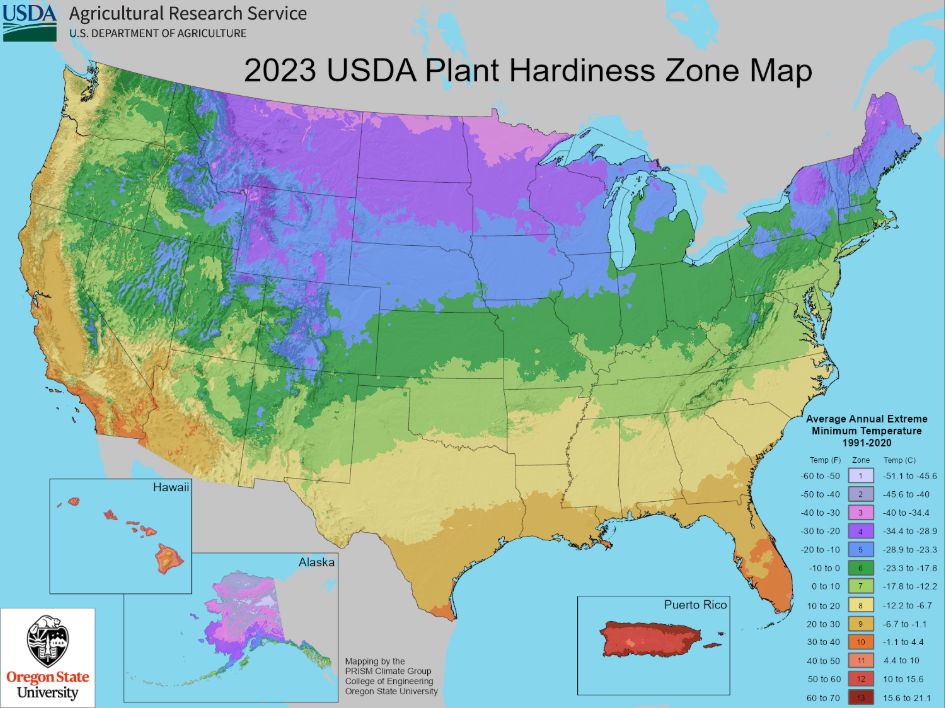
Not sure what zone you’re in? No worries! The USDA has a map you can use to find your ZIP code.
Here’s a quick reference map.
*Companion Planting When Possible
This is a great way to use a small amount of space and help control pests naturally.
*Sketching it Out!
Have a firm plan before you start seeds. It will make your life so much easier! The planning article mentioned above goes into detail about sketching and has examples. It’s easier than it sounds. Promise!
Growing things you don’t eat.
I’ve seen people get so excited about gardening that they grab a ton of seeds and plant things they don’t need or want. Later, they’ll be looking at the harvests, thinking to themselves, “I don’t even like peas”.
Just make a quick list of the herbs and veggies that you do use regularly. For my house, that’s oregano, parsley, garlic, cayenne, cucumbers, and so on. Yours may be completely different.
This will give you a starting point on what you may be able to plant this season.
Starting Too Large
If you’ve never really had a garden before, starting too big can make you feel overwhelmed, either with getting everything planted or with the daily care. This can lead you to think you hate it, but in reality, you just needed baby steps.
Start with just a few of your favs and become an expert on those. If you have issues, this gives you enough time to research and fix them while still taking care of everything else in your life!
This gives you time to adjust to adding something to a schedule that’s already busy with the house, work, kids, and whatever else you’ve got going on. Be nice to yourself and take it easy in the first season. Then adjust from there!
Spending money on fancy tools
There are many cool things out there to buy! From gadgets and raised beds to greenhouses and garden seats! OMG. Even after years, I have to tell myself to keep walking or scrolling. But really… You don’t need most of it. Similar to the section above, start simple.
You need a small garden shovel, gloves (for some), a small garden fork (pitchfork), soaker hoses for easy watering in beds, a nice garden spray nozzle with multiple settings, plant labels & pruning shears.
Now, if you do start big, you will need other items, such as a shovel, a wheelbarrow, or a cart. If you start small, as I recommend, these basic items will get you through.
Remembering that plants need different care
Not all herbs and vegetables are created equal. They have different watering and soil needs. Be mindful when making a planting wish list. Just do a quick Google search to find things that have similar needs and plant them together.
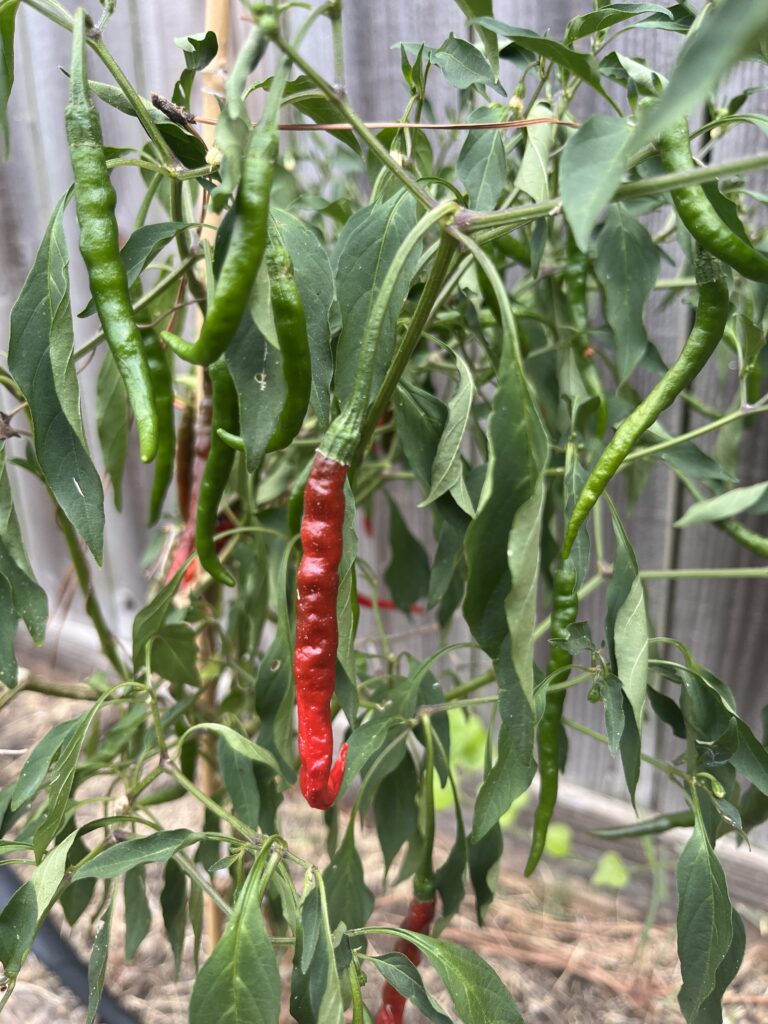
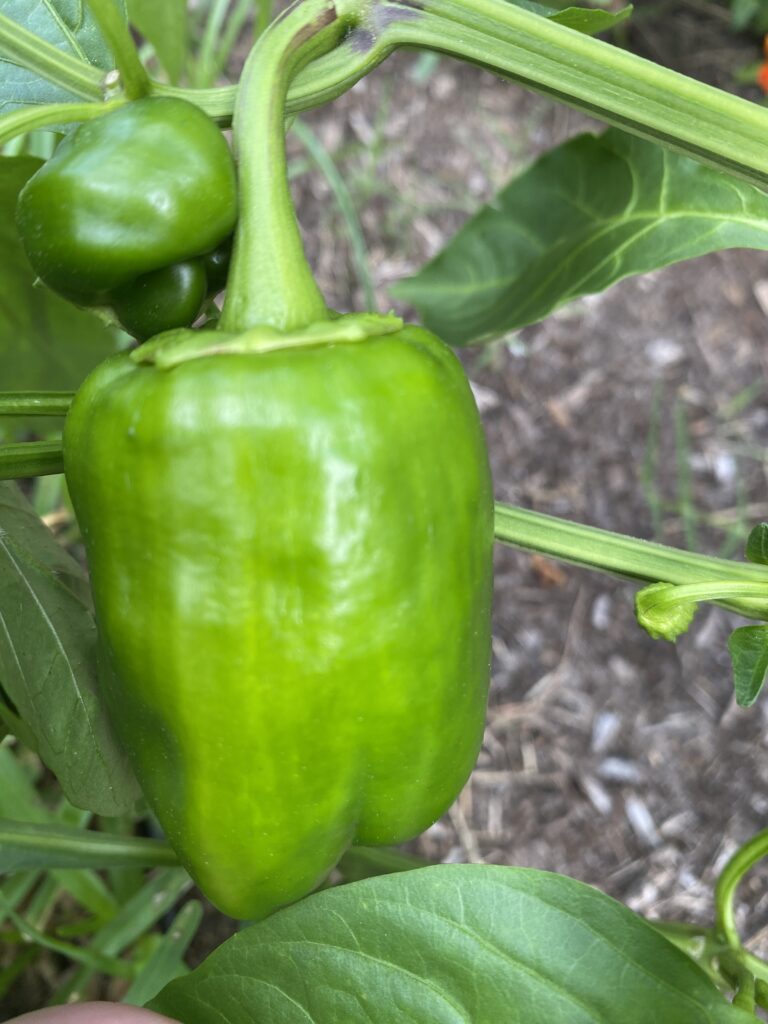
For instance, spinach and some lettuce varieties need more nitrogen, whereas carrots and arugula can be harmed by too much nitrogen. Cucumber and root veggies love water, while peppers and lavender do best with much less water.
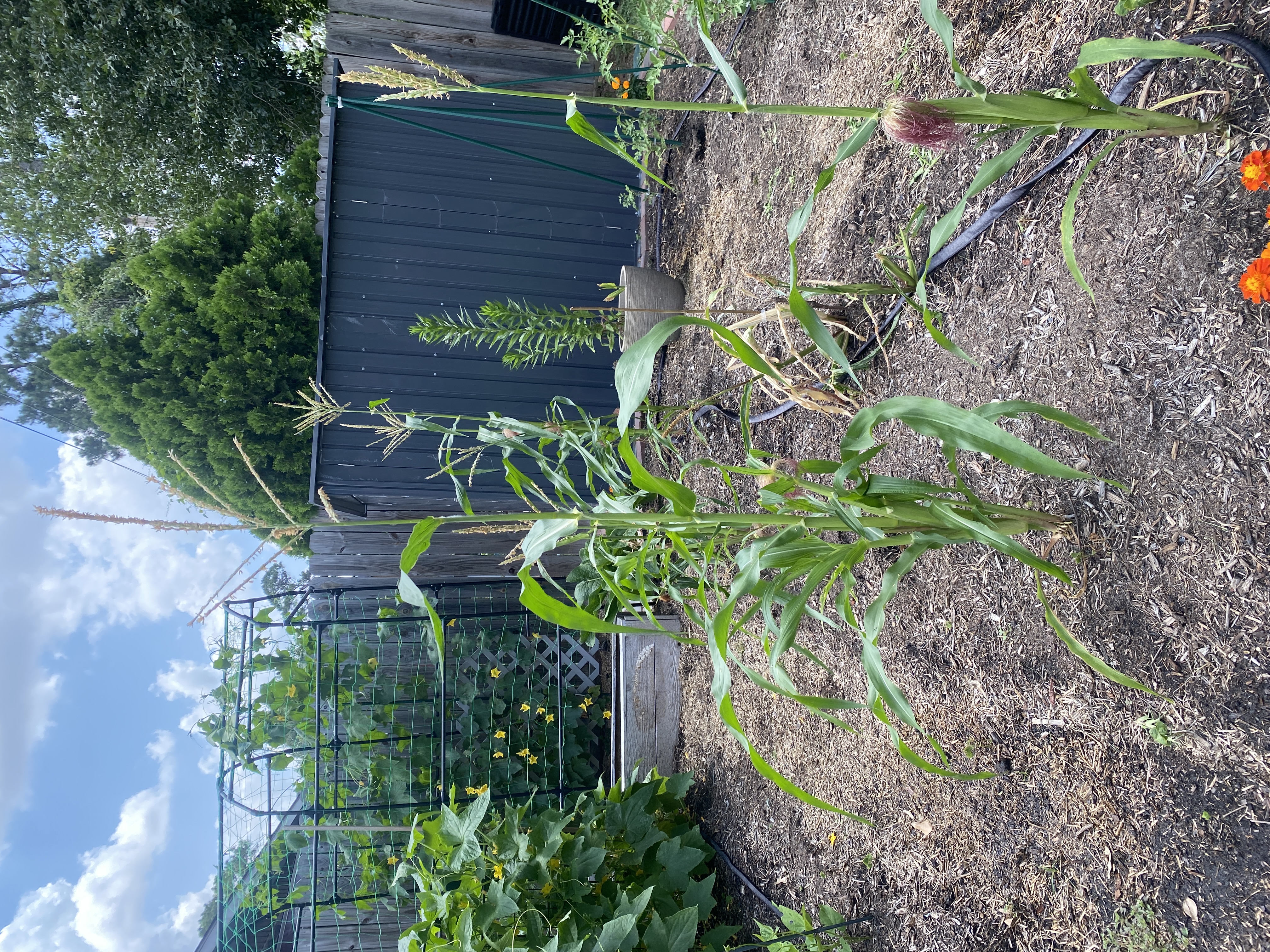
Plant around the root veggies and spinach with corn, and so on. You don’t have to get fancy. Especially when starting small. Just research and be aware.
Setting and Forgetting. You have to maintain
This probably sounds like a no-brainer, but it’s so easy to get busy and say to yourself, “I’ll do it tomorrow”… but you don’t. Me. I mean me. Also, keep in mind that a couple of unchecked caterpillars can do a lot of damage in a couple of days!
If you want to work less on it, here are a few quick tips.
*Mulch well. Helps keep moisture in and weeds away. You can also use landscaping fabric, but it can get hot in the summer and dry out the surface soil.
*If you can afford it, get an auto watering system with a timer. PS: I’m not that cool!
*Pick plants that can dry out without too much of an issue, like peppers, lavender, and okra.
*Companion plant to help keep bugs away. French marigolds and garlic, for example.
*Cover your baby plants with netting at the beginning of the season before moths and butterflies start laying eggs. It’s not a perfect system, but it can really help!
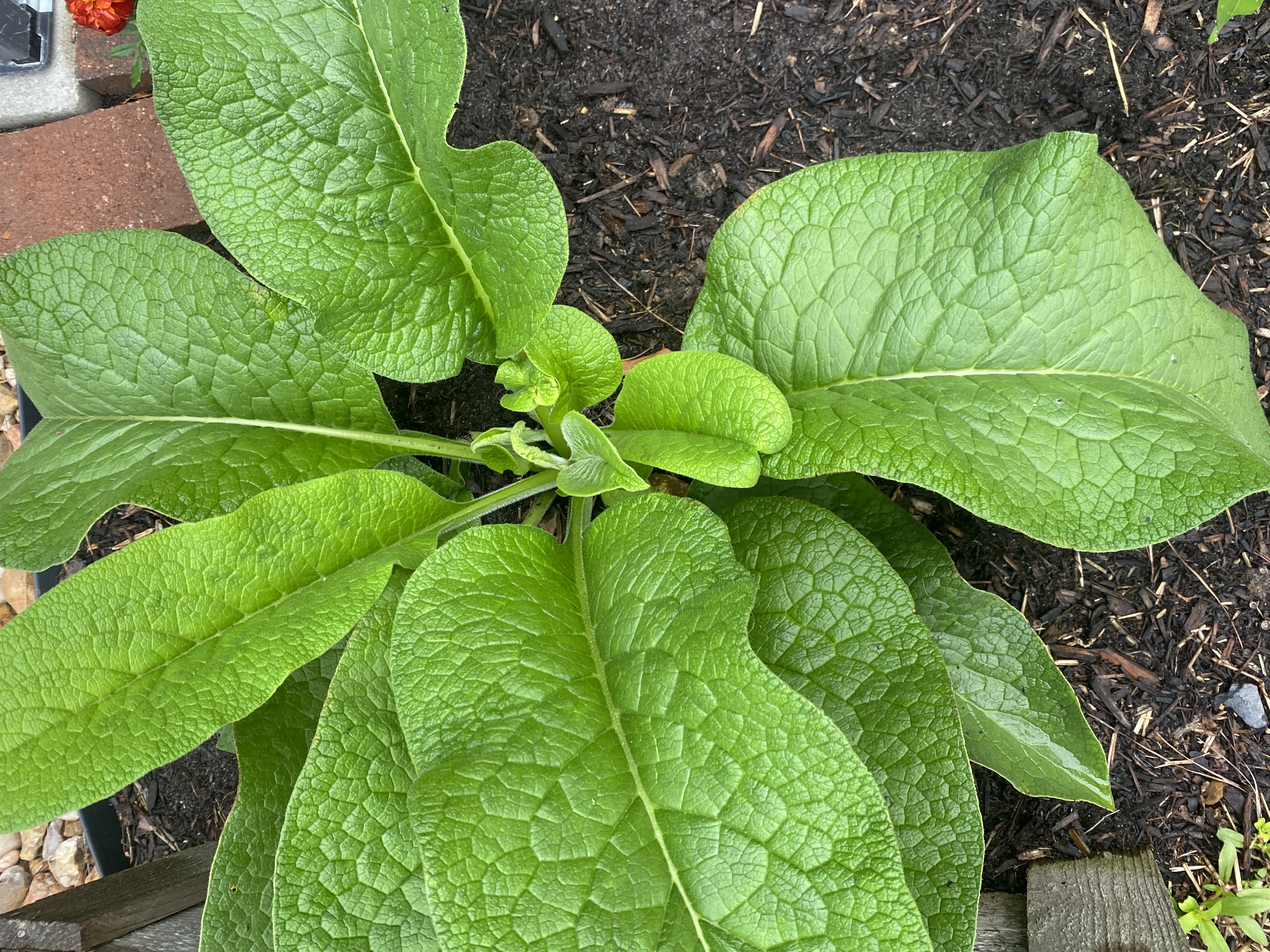
Starting with Tomatoes
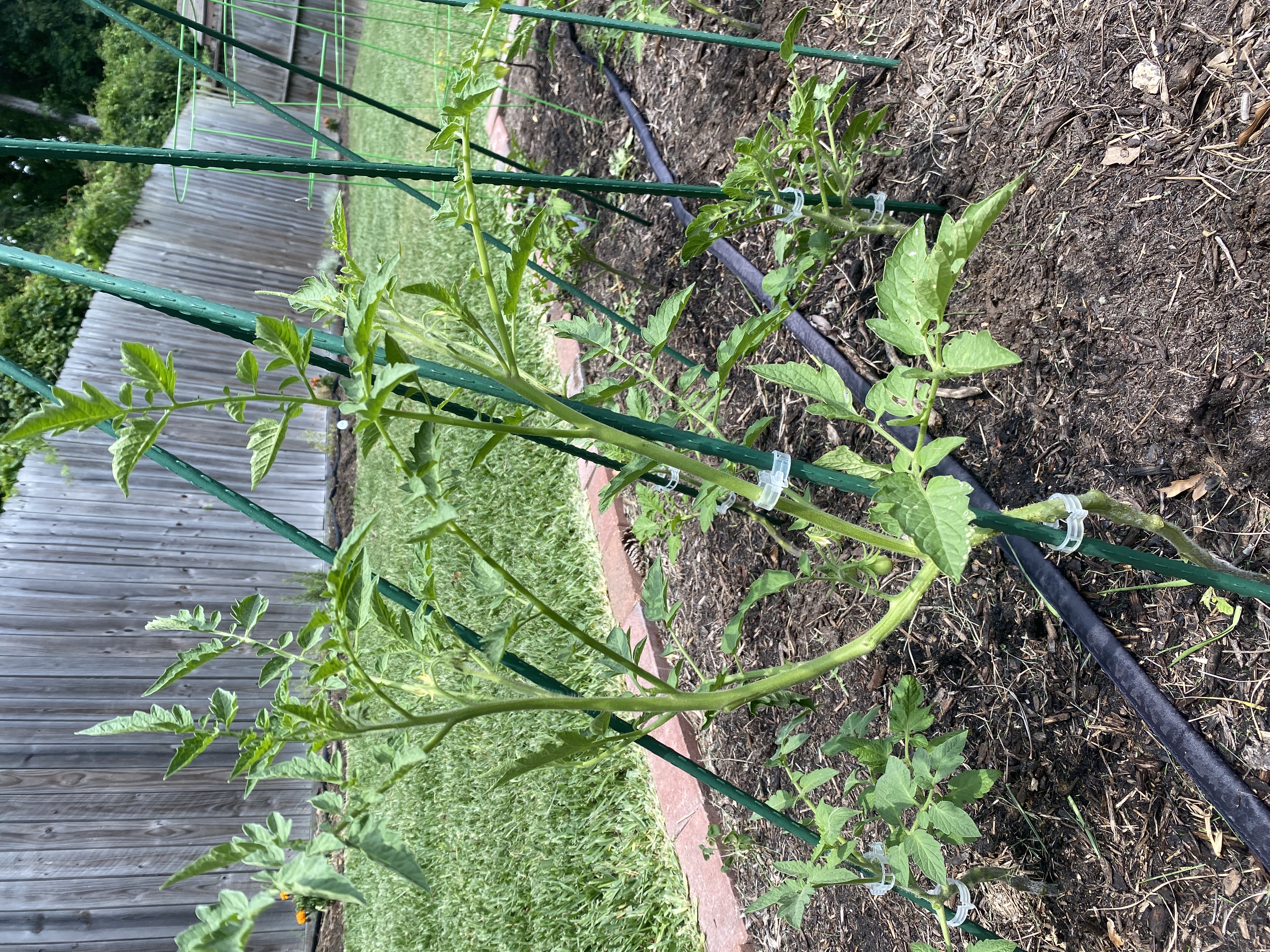
Tomatoes are great! They’re versatile! Everyone should grow them right away! Right? I say no. Maybe later, after you’ve had some success for your pride to fall back on.
They are picky, and a wide variety takes a long time to produce. They are prone to disease, and animals love the darn things. It can be a consistent fight with bugs, squirrels, and birds. I had an insanely rainy summer this year, and because the water was naturally inconsistent, my crop has been terrible.
While they are a great item in the garden, let’s start somewhere a bit easier to deal with. Don’t do that to yourself!
Assuming Containers are easier
So this one is situational. If you live in a cool climate and are okay with being the only source of nutrients for the container. Go for it! Here’s why.
Containers will dry out fast. The smaller the pot and the warmer the climate, the faster it will dry out. In a large raised bed without a bottom or straight into the ground, you can actually train your roots to grow deeper, and then you get to water them less. In a container where the wind and heat can surround it on all sides, the roots have nowhere to go, and the soil will release moisture much more quickly.
As far as nutrients, again, the roots are trapped. They can’t sneak over to other plants or grow deeper in search of the minerals they want. So it will be the sole provider of its nutrition. You will need to ensure each plant or container is watered and fertilized appropriately.
Expecting Too Much from Yourself
It’s ok to fail, and you will fail at something. Even after years, all gardeners do. Bad seeds, skipping a day of watering, excessive rain, birds, and bugs, there are so many things that can go wrong that are entirely out of your control!
Of course, be mindful and attentive, learn what you can. No matter what, be prepared to fail. Don’t beat yourself up. It’s ok. Learn from mistakes and situations, and move on. You have enough to worry and stress about. Don’t add your garden to the list. Love it or say “it’s fine” and move on.
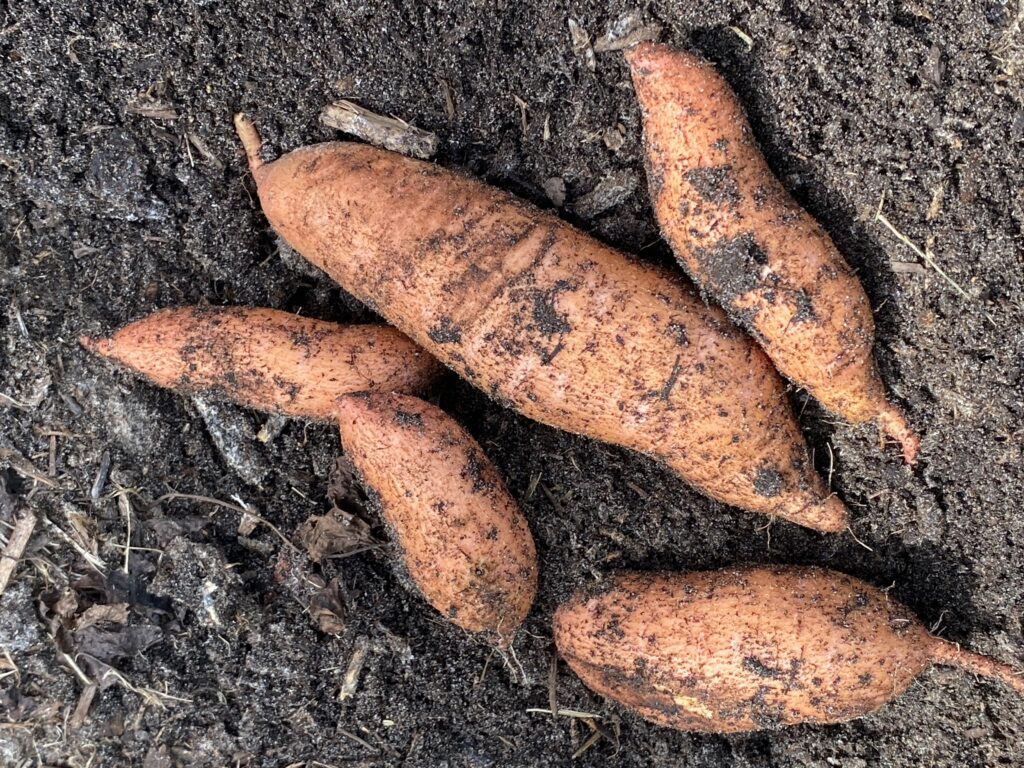
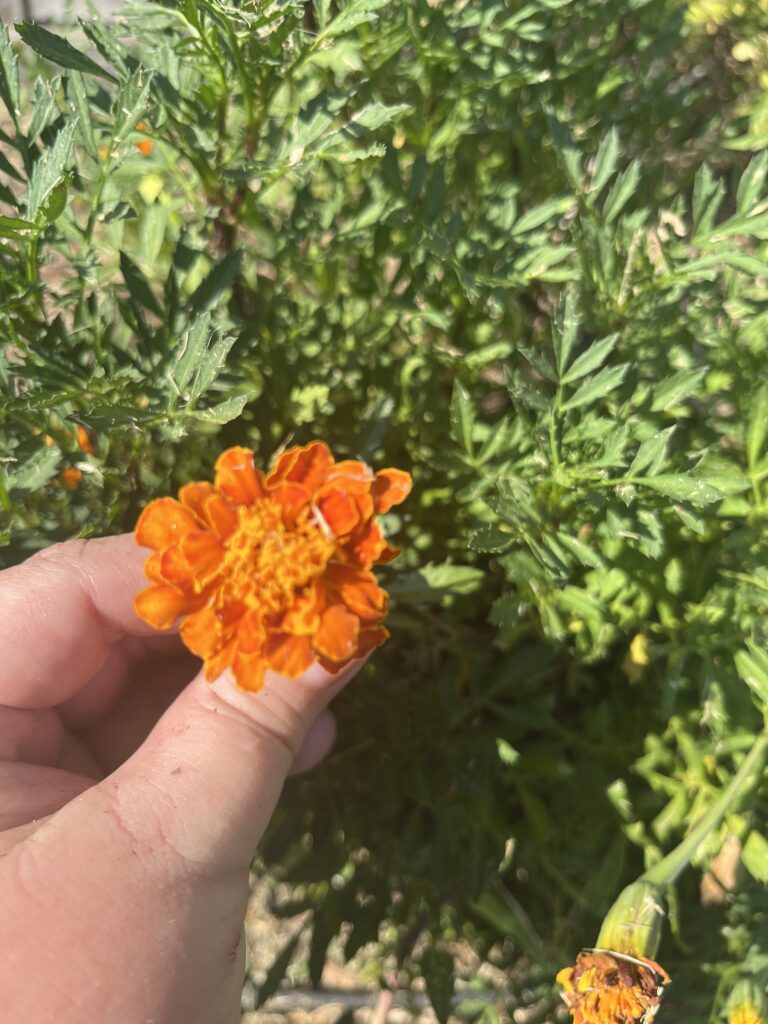
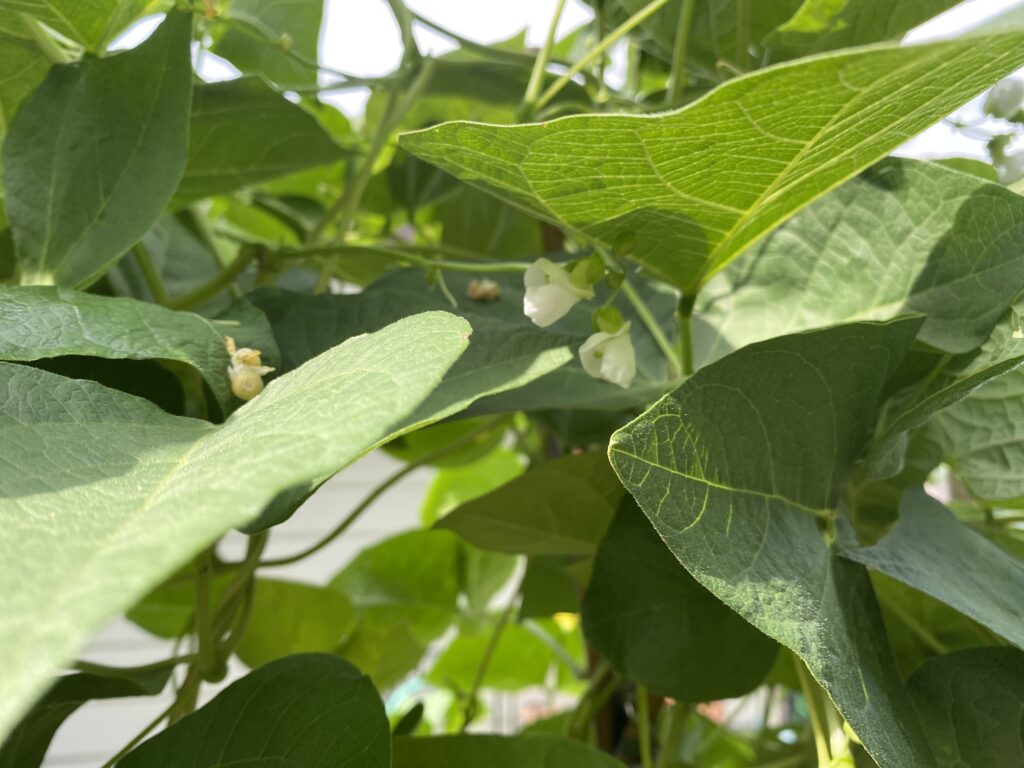
A garden is basically a choose-your-own-adventure. What will you choose?!?!
Enjoyed this guide? Continue learning with the expanded edition, featuring more in-depth information, additional tips, and practical advice for beginners. Available on Amazon in paperback and as an ebook. Free to read with Kindle Unlimited!
Small Steps. Meaningful Rewards.
📤 Share the Knowledge
Know someone who could benefit from this article? Share it and help another gardener grow with confidence.
Gardening is better together. Join our free Facebook community to ask questions, share your progress, and learn alongside other gardeners.
📚 Related Articles & Resources
🌱 New to Gardening & Homesteading?
Find beginner gardening guides, practical tips, and resources to help you plan, grow, preserve, and create with confidence.
Planning & Sketching Your Garden
A little planning goes a long way. Learn how to sketch your garden, organize your space, and create a simple plan for a more successful growing season.
9 Essential Tools
Start gardening with confidence by choosing the right tools. Learn what every beginner needs without overspending.
Leave a Reply